• It’s Early Spring here in Calgary! What to Watch For and Why I’m Not Rushing.

    Spring is teasing us again—it’s the last week of April here in Calgary, and while it’s not quite planting time yet, there’s still plenty of garden magic happening. If you’re gardening in Zone 3, now is the perfect moment to observe, document, and prepare, without getting too eager with the rake or shovel.

    📋Document Your Garden’s Wake-Up Call

    One of the best tools for any gardener these days? Your smartphone. Snap pictures, jot down notes, and compare them with past years. It’s a great way to track what’s emerging when, what survived the winter, and where you might want to make changes later on.

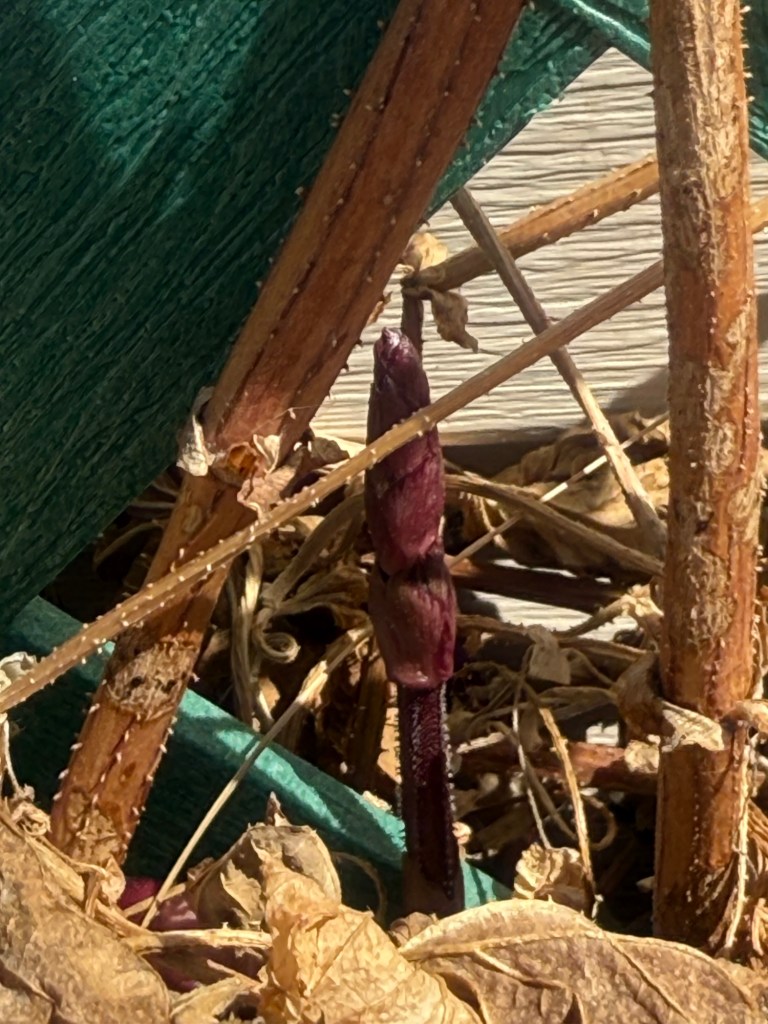
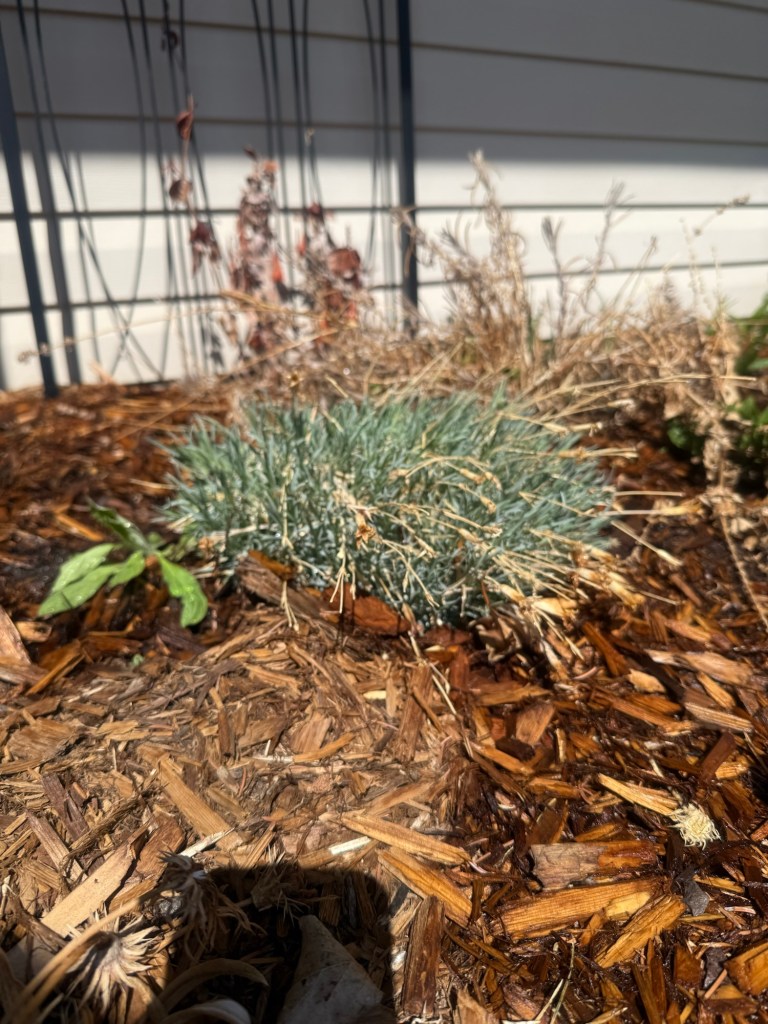
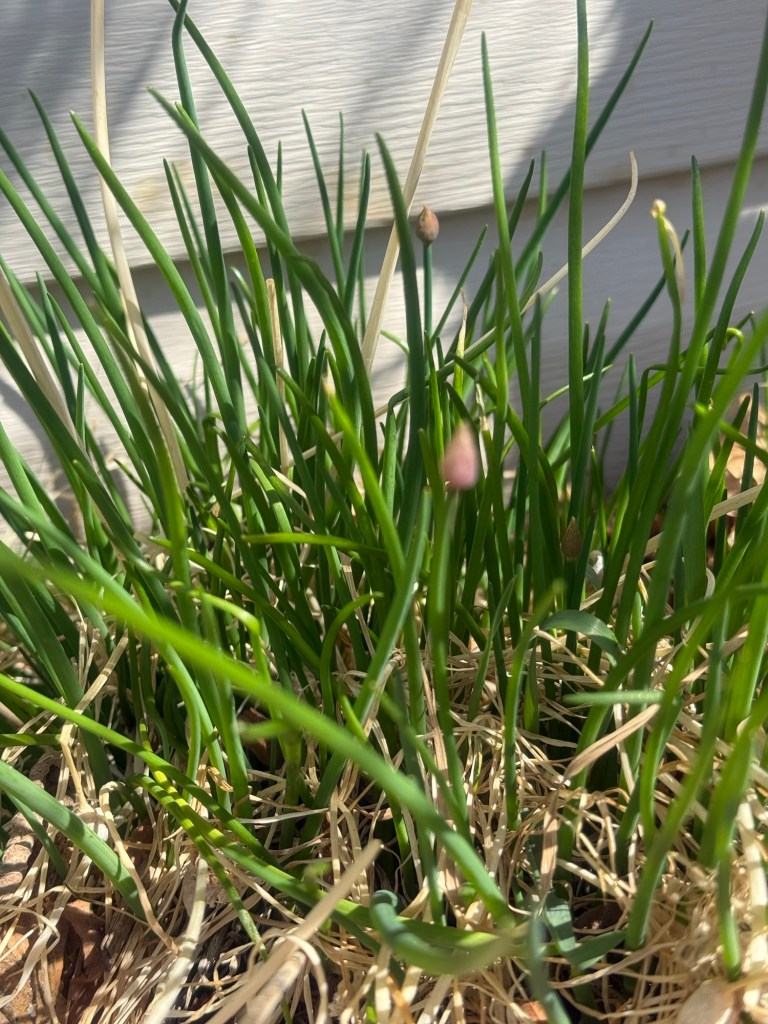
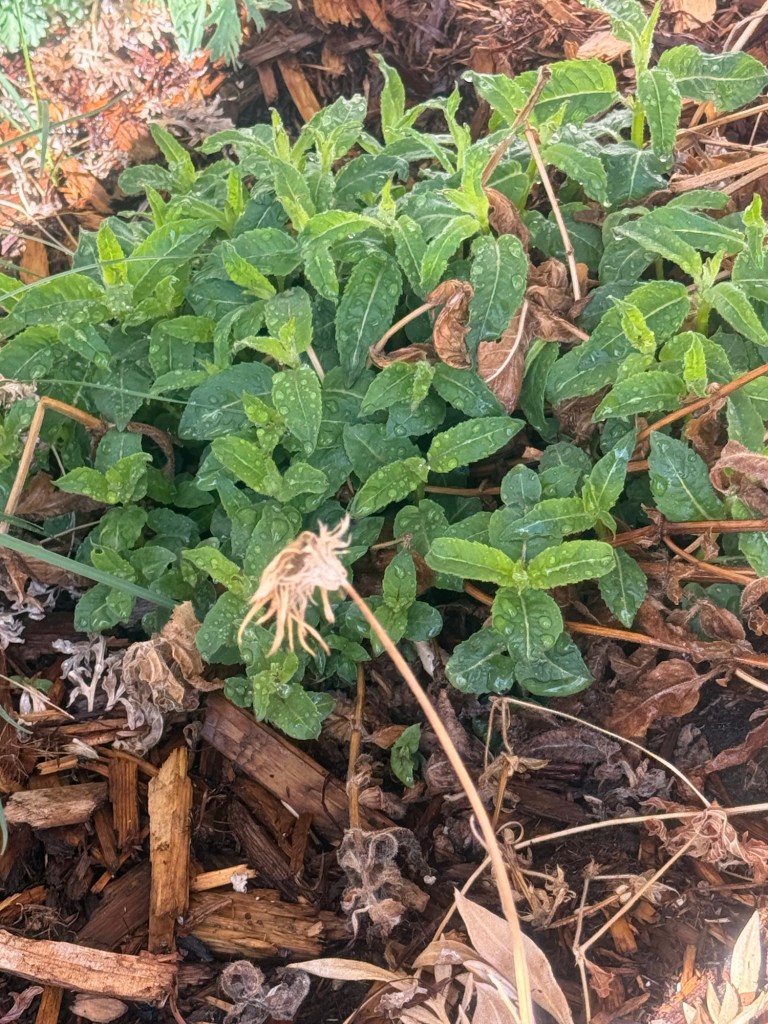
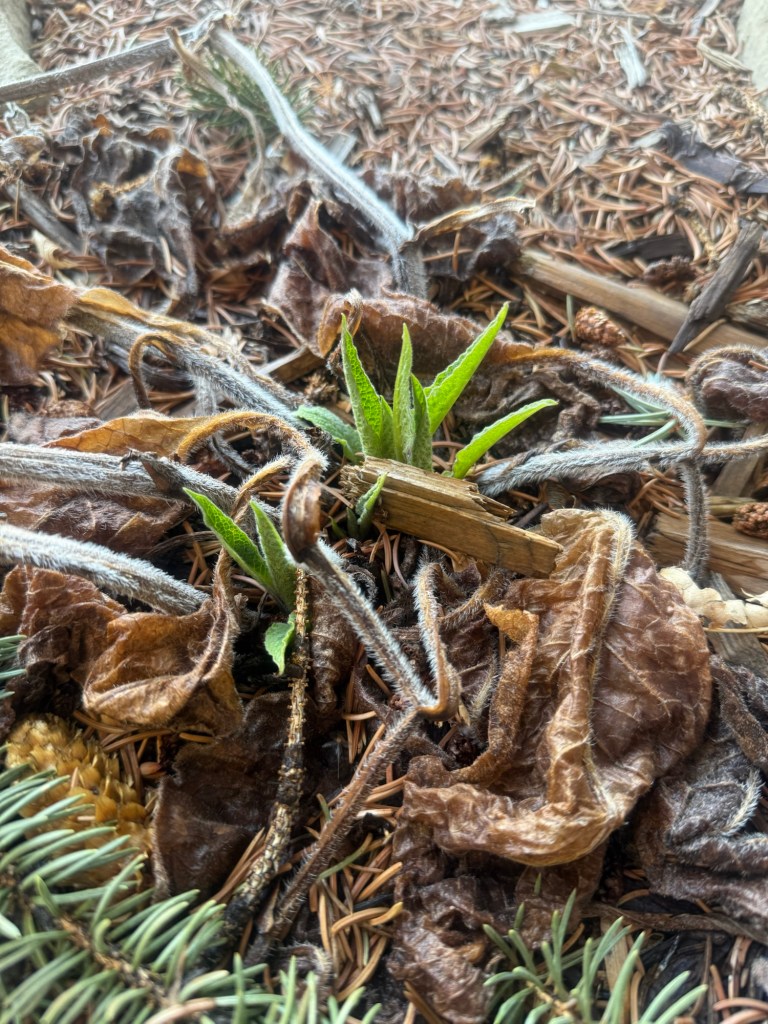
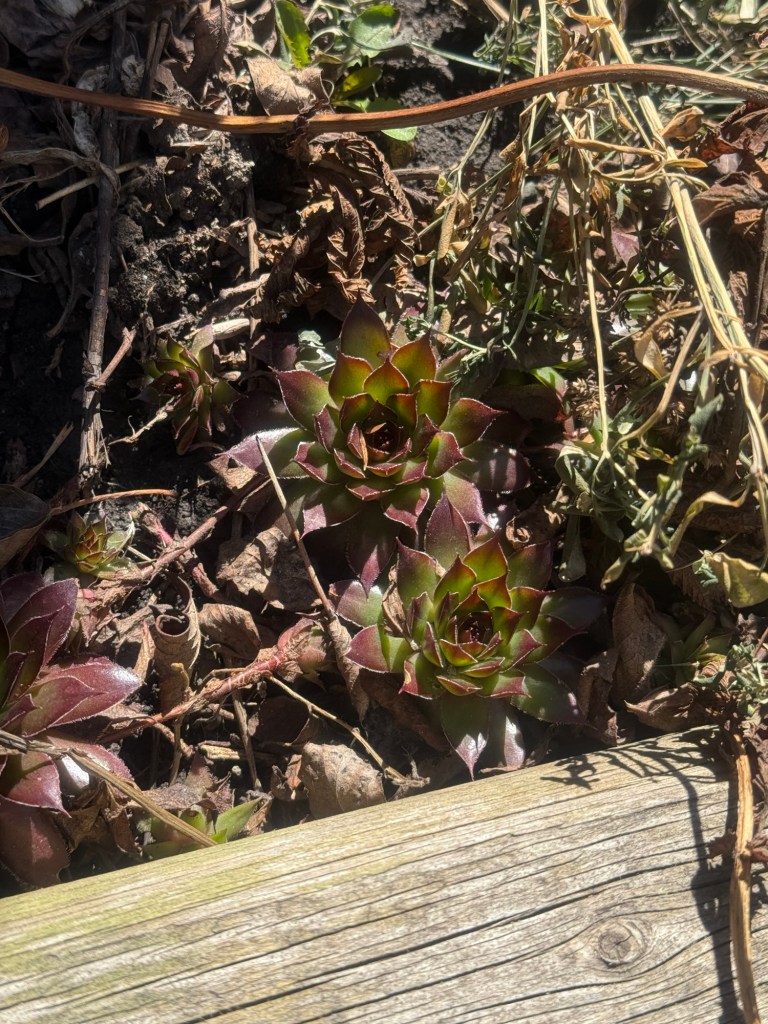
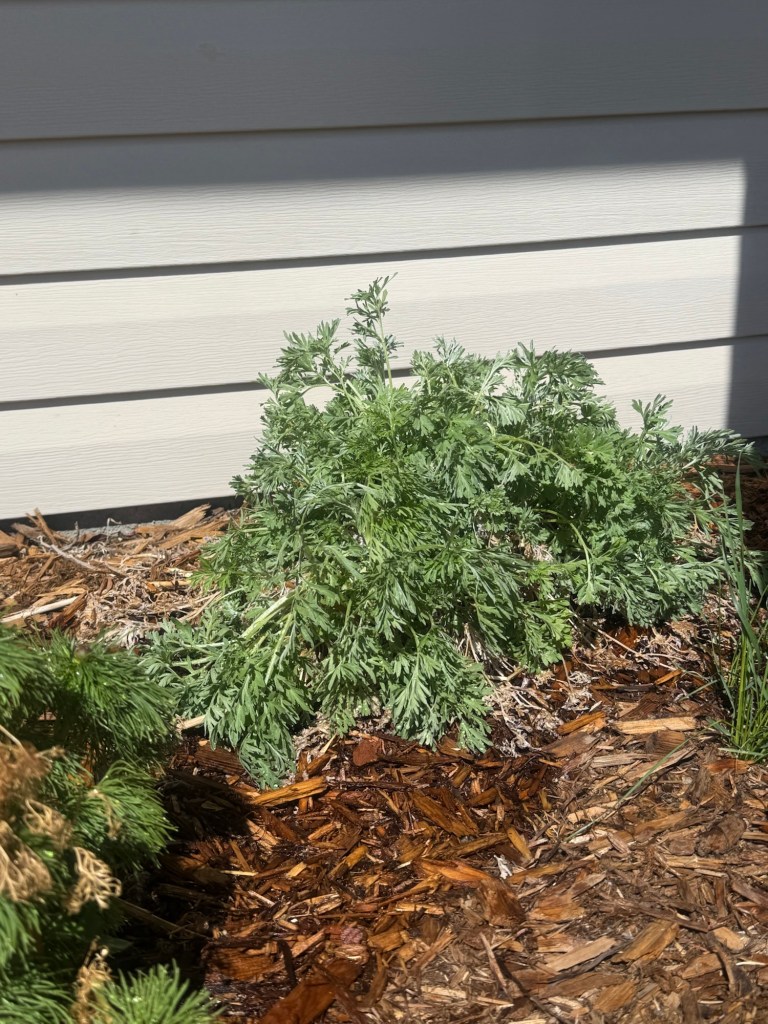
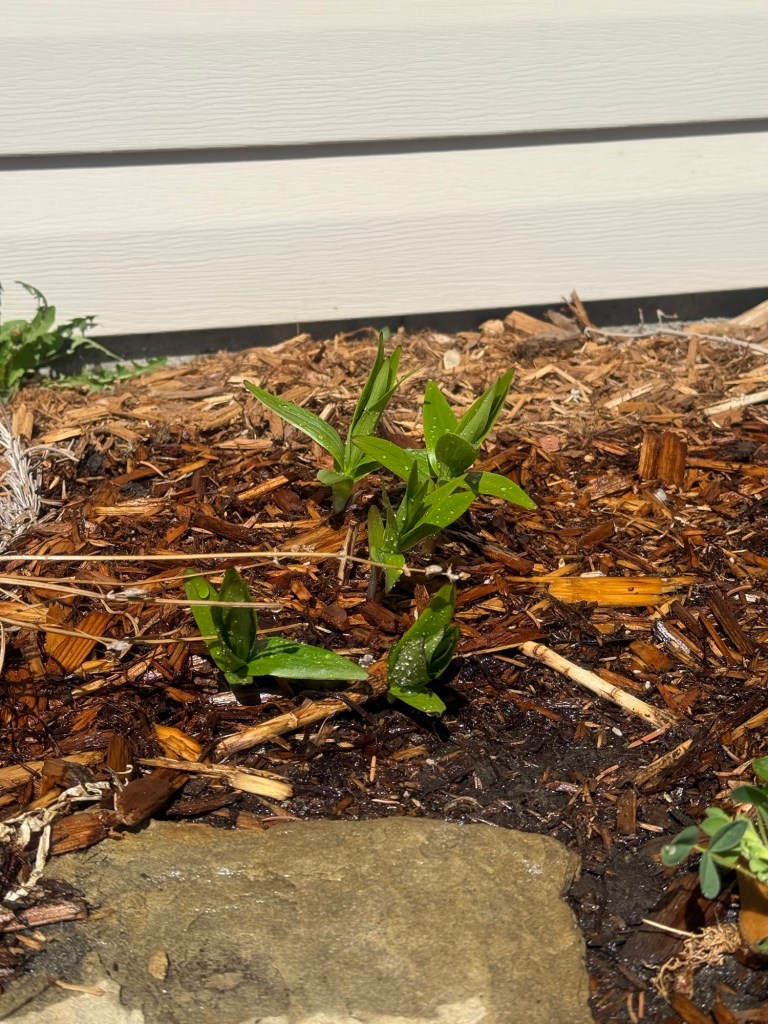
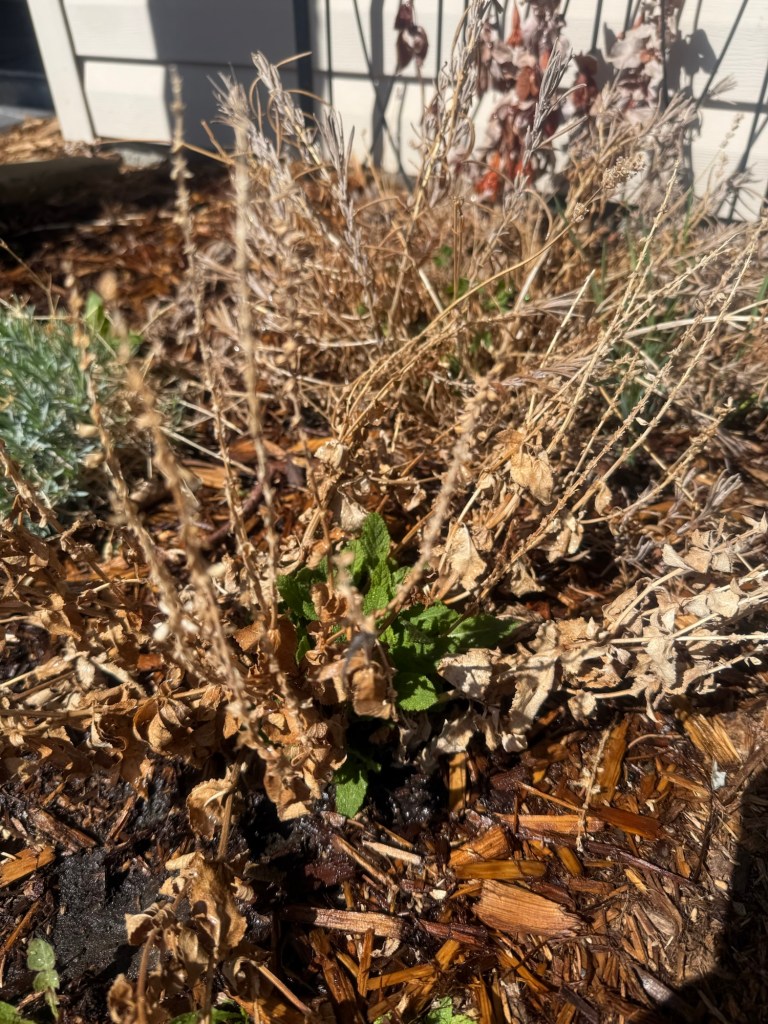
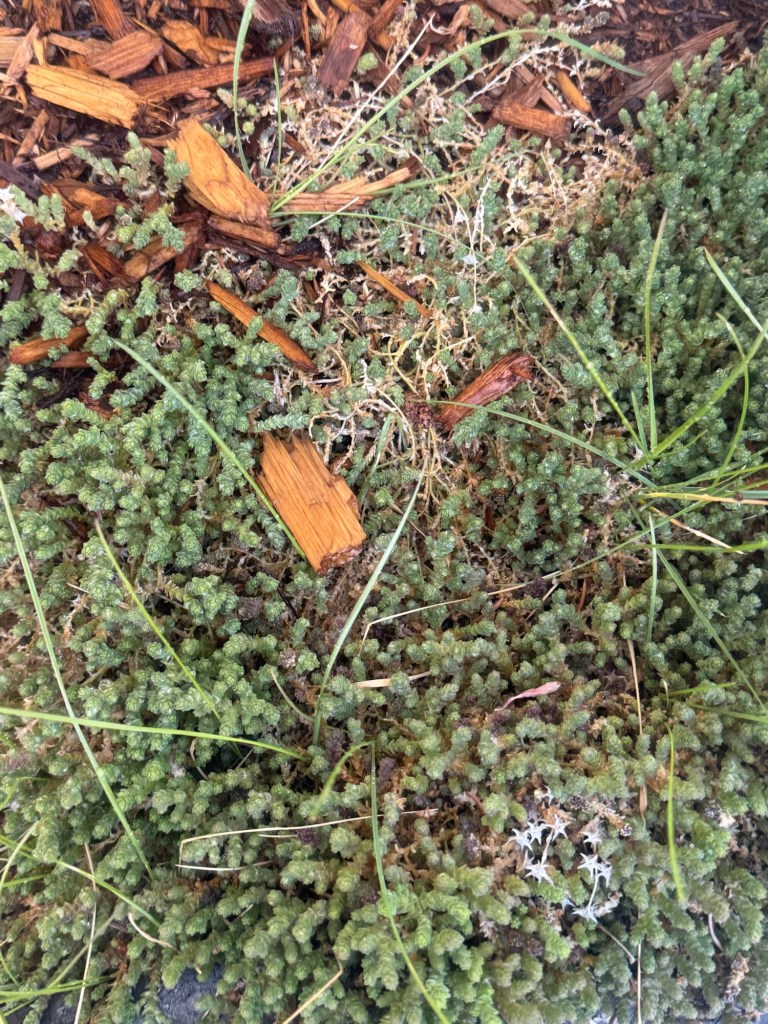
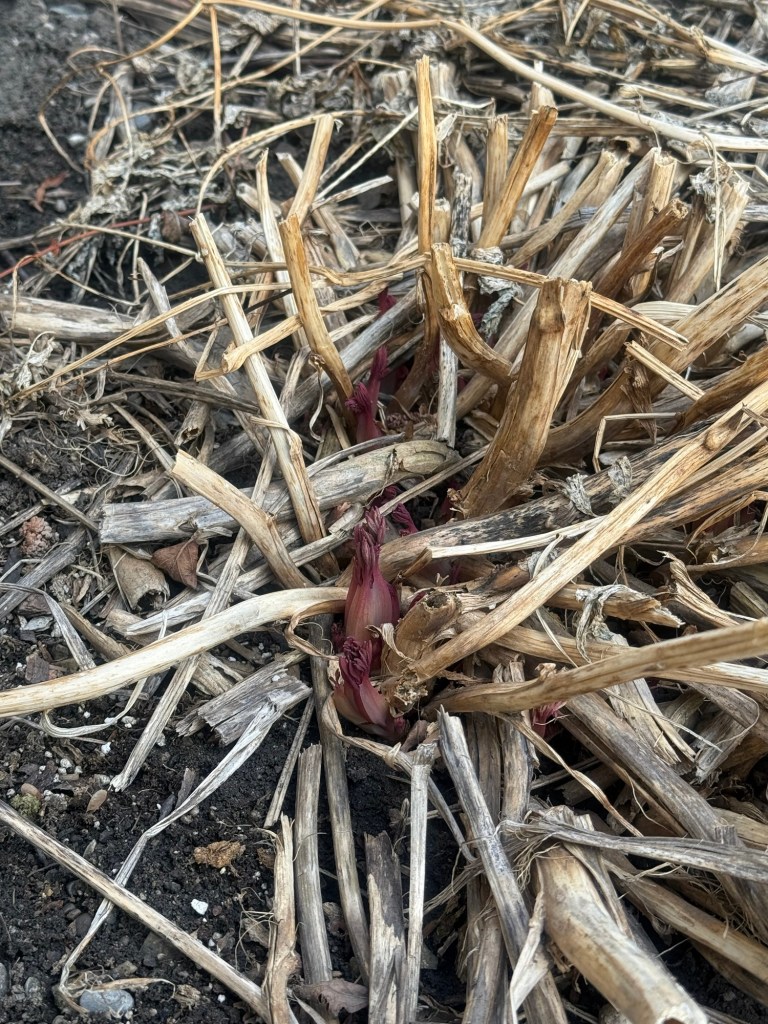
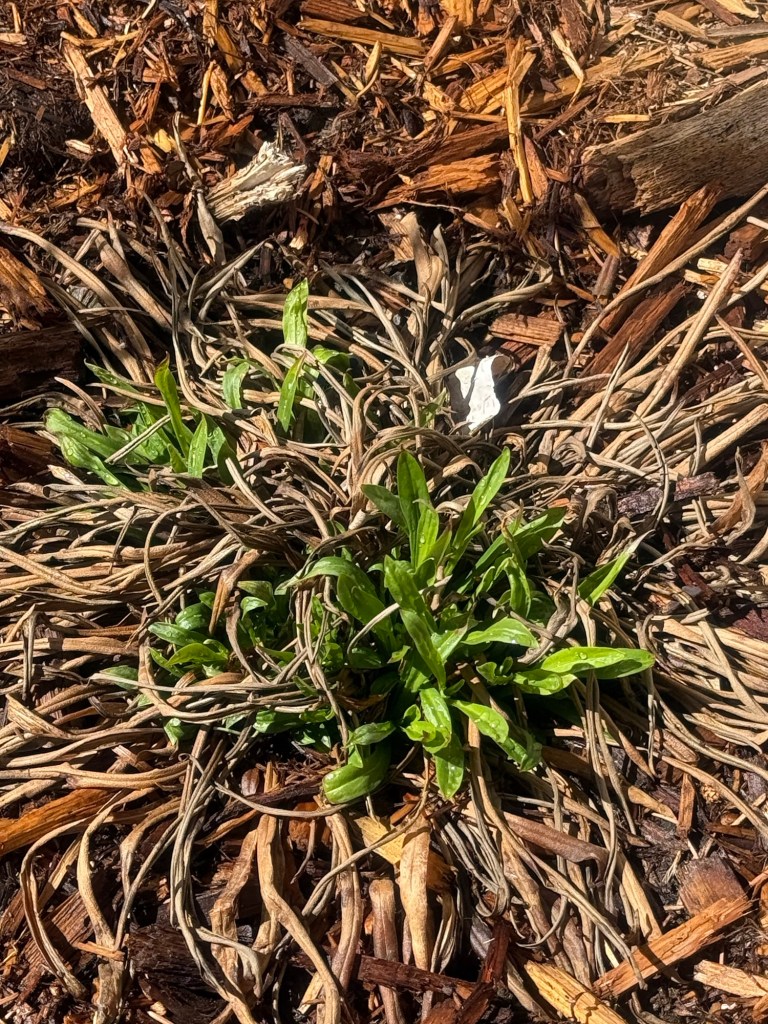
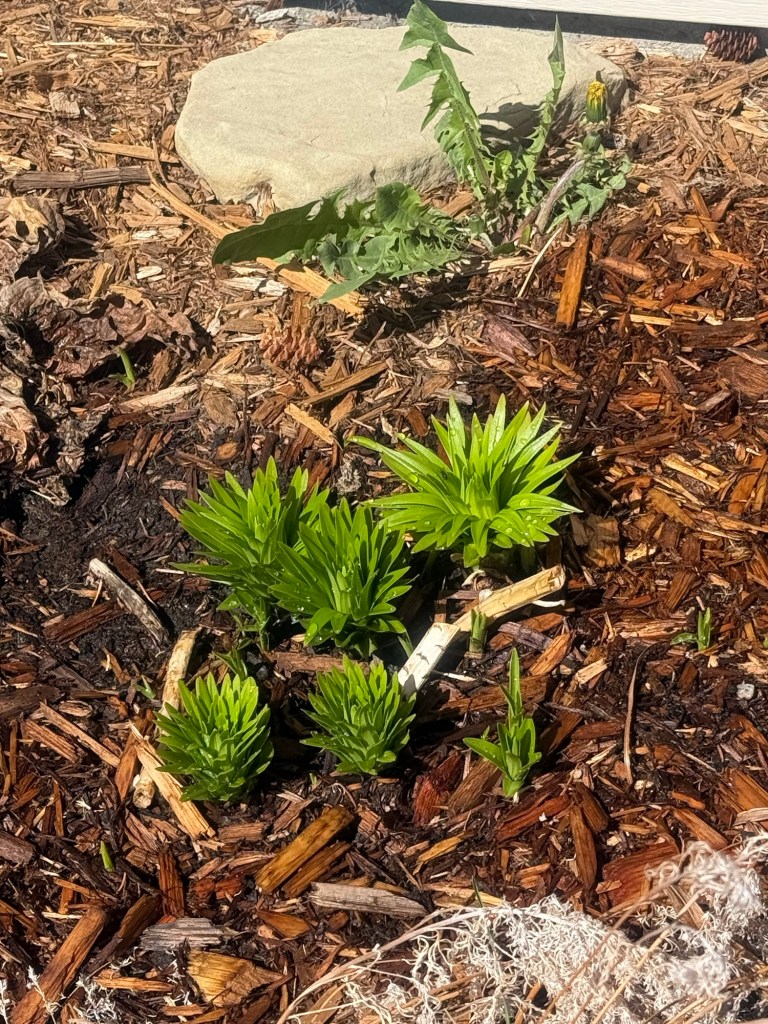
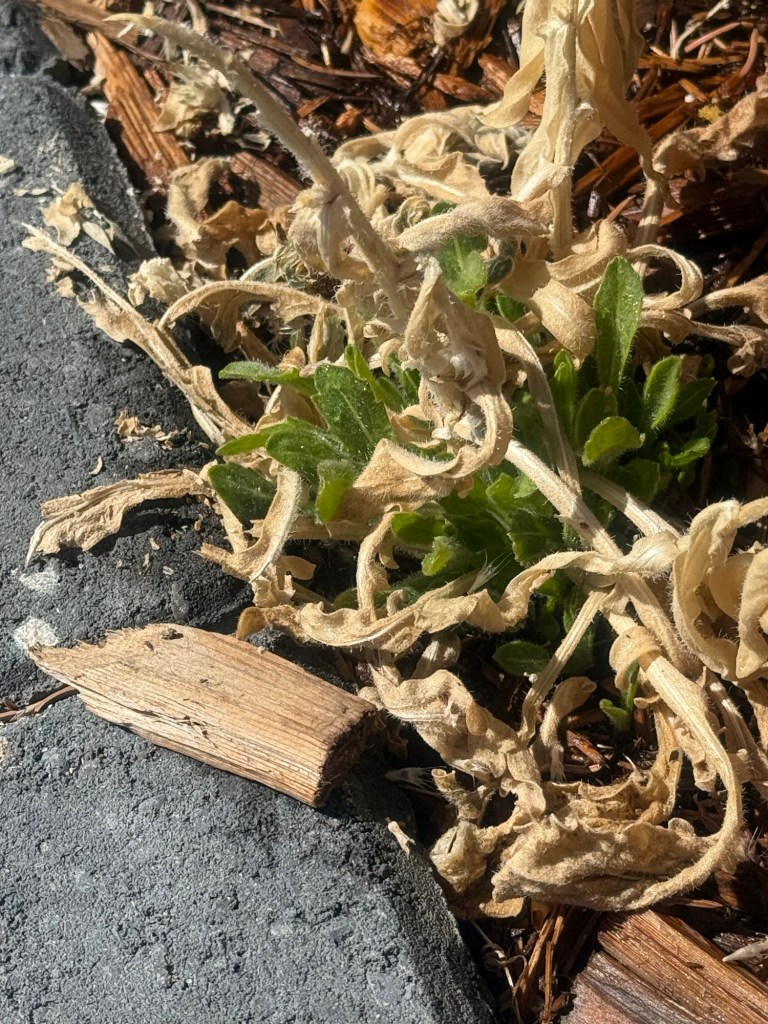
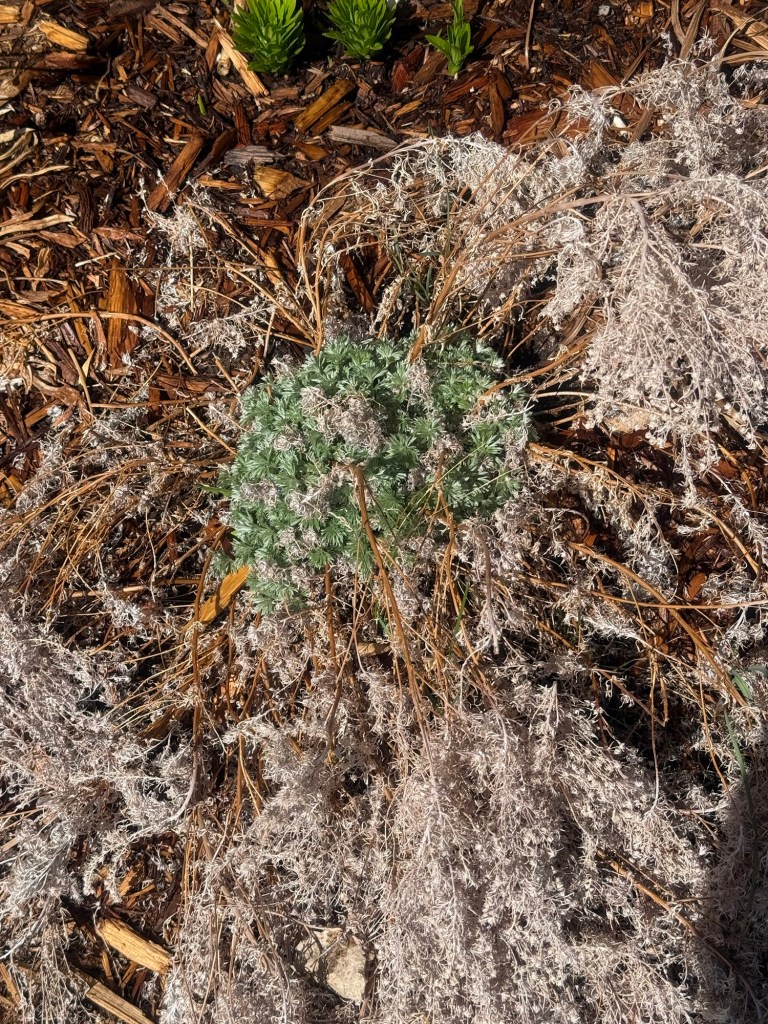
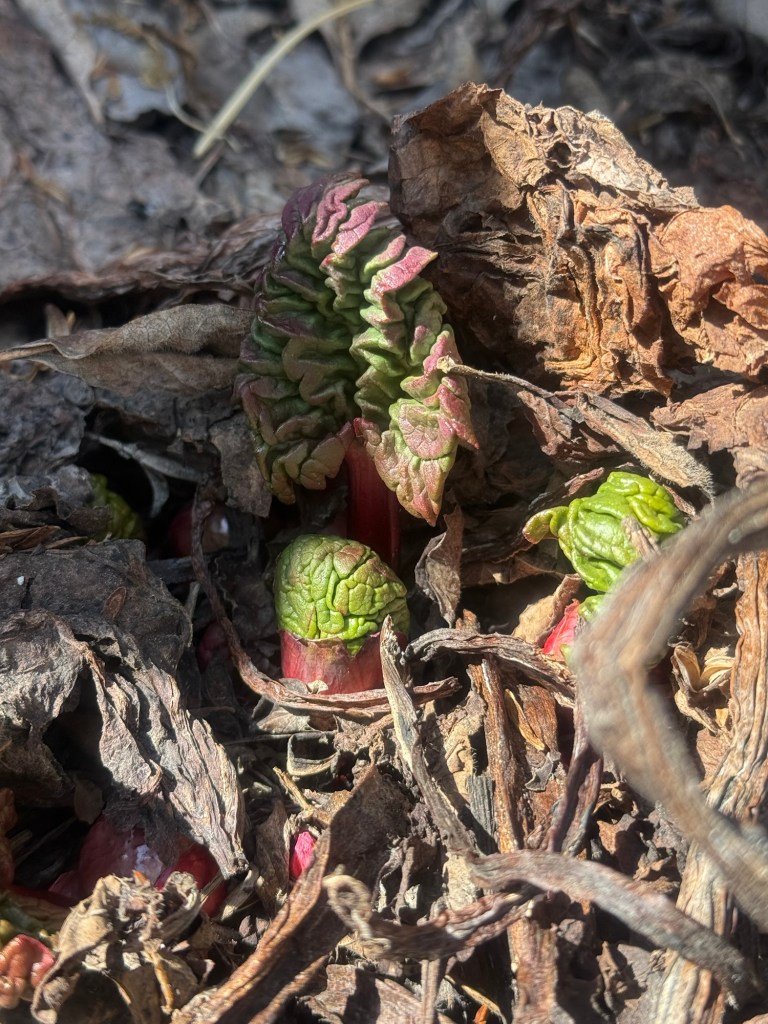
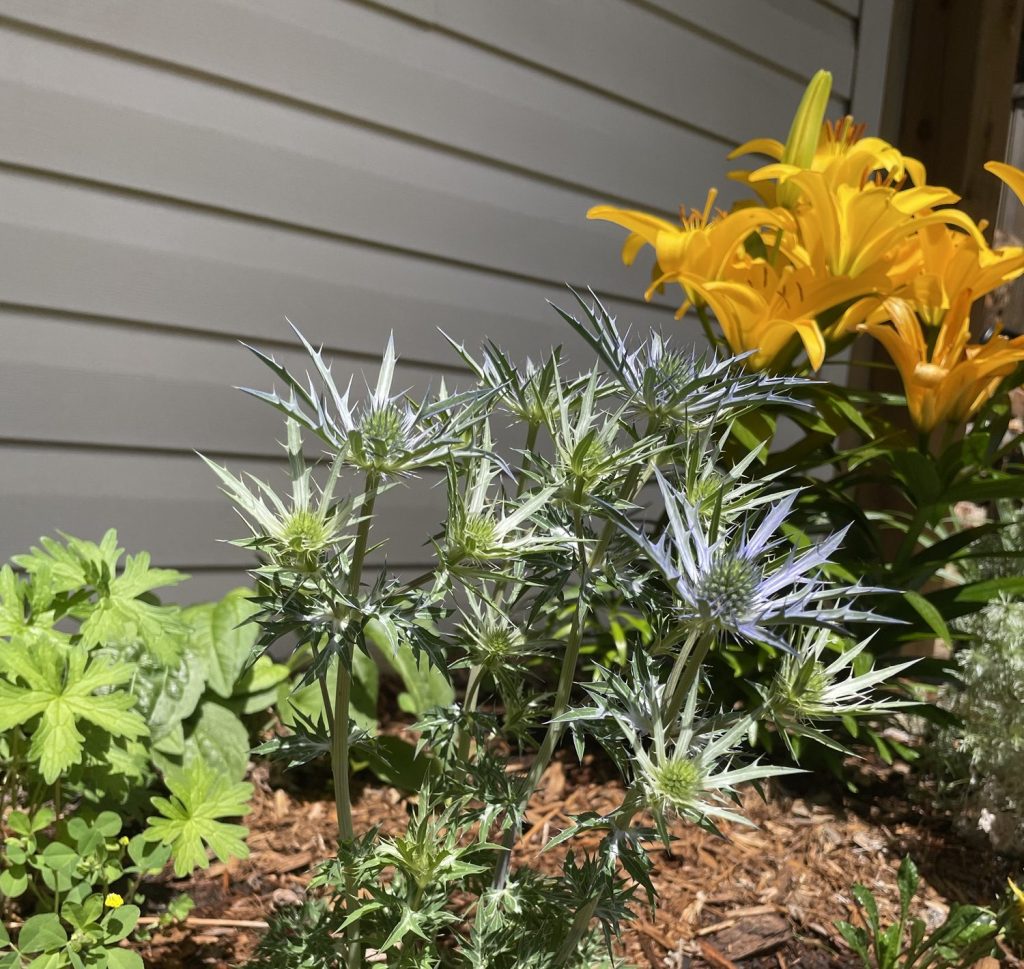
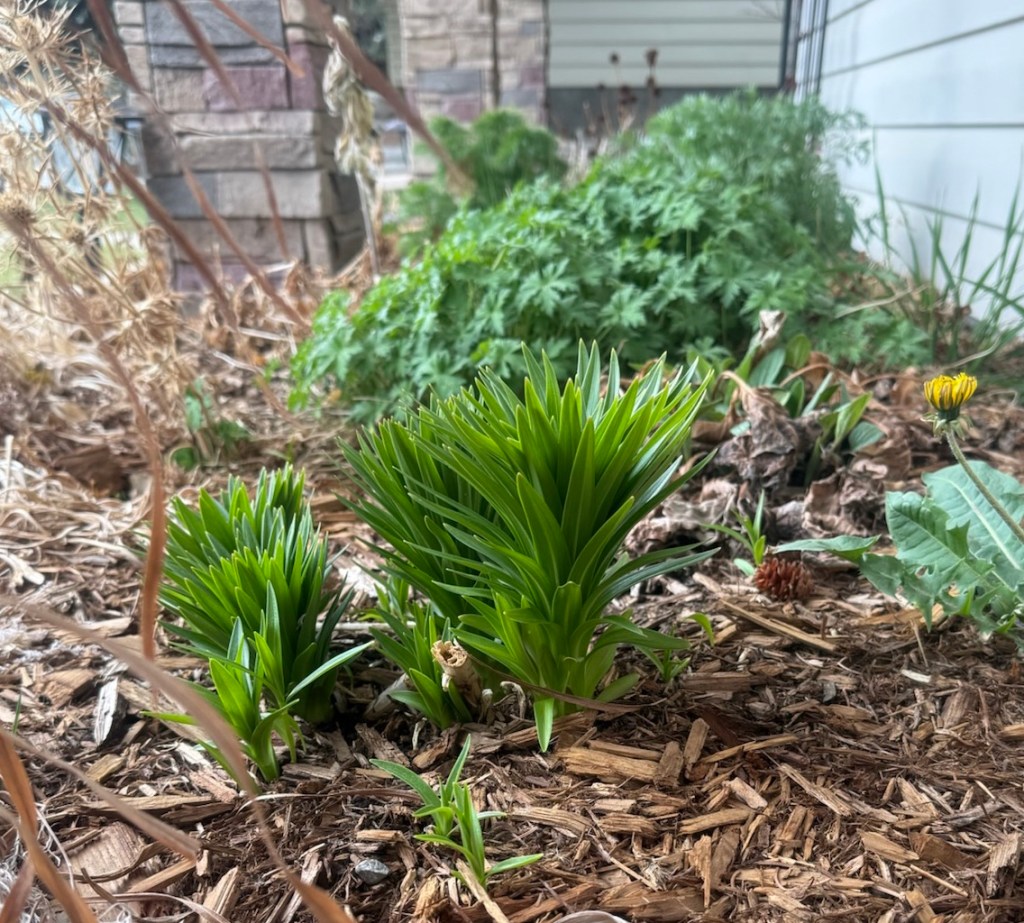
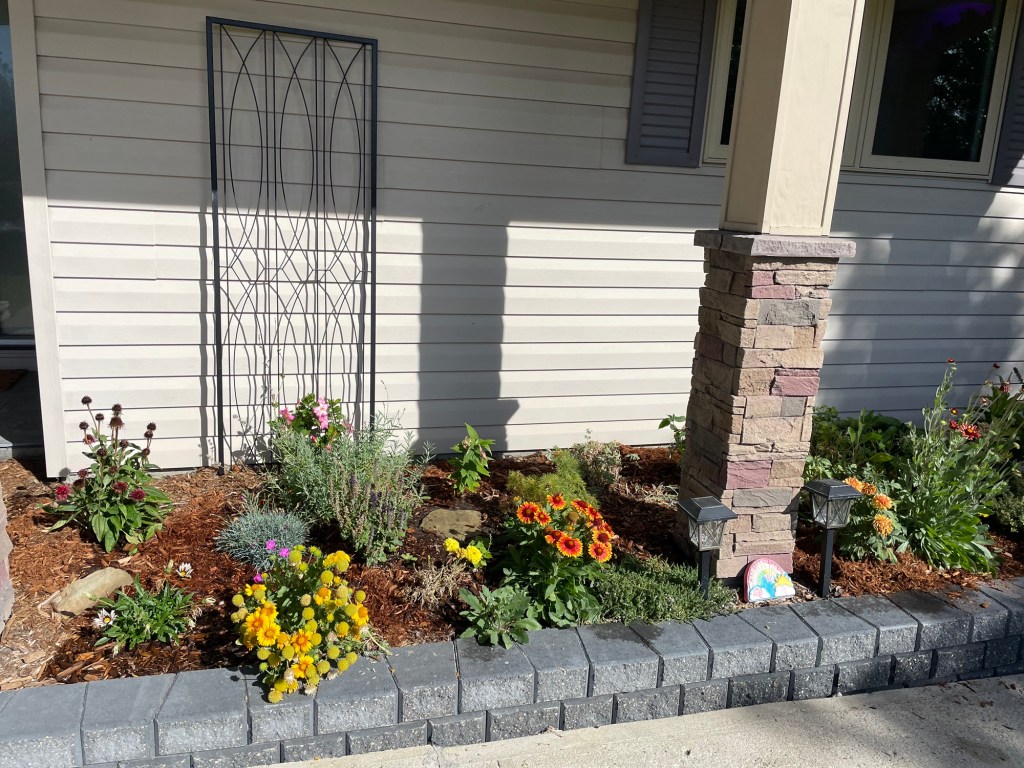
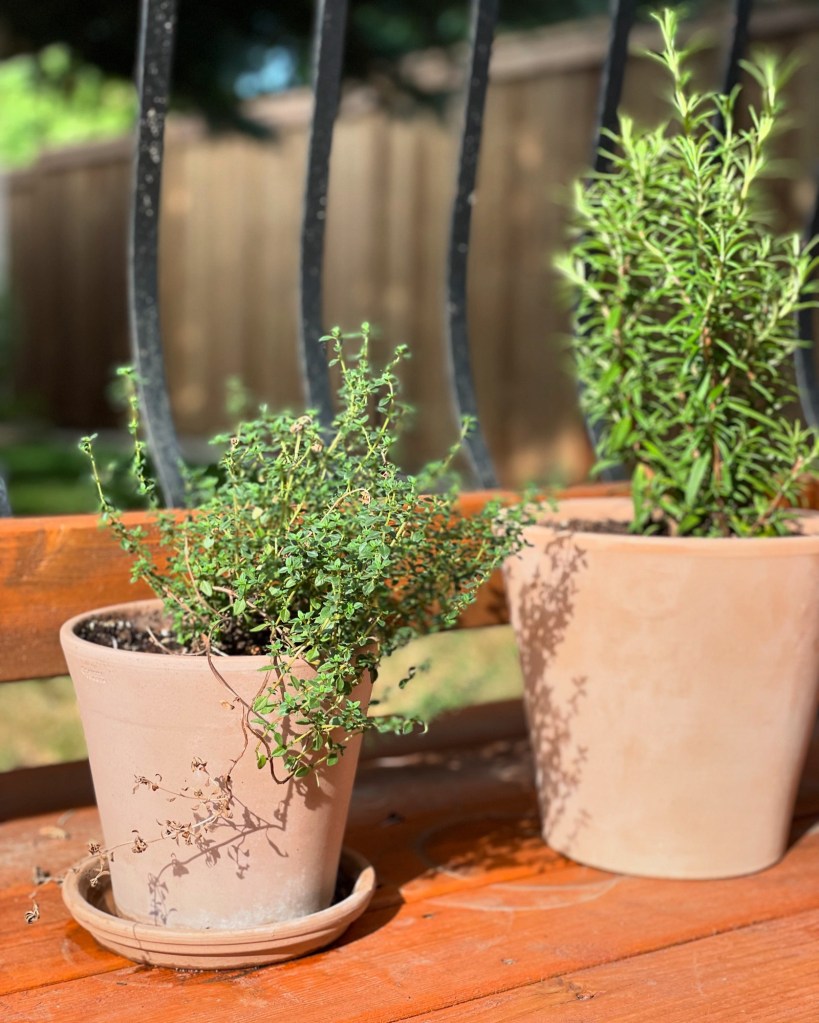
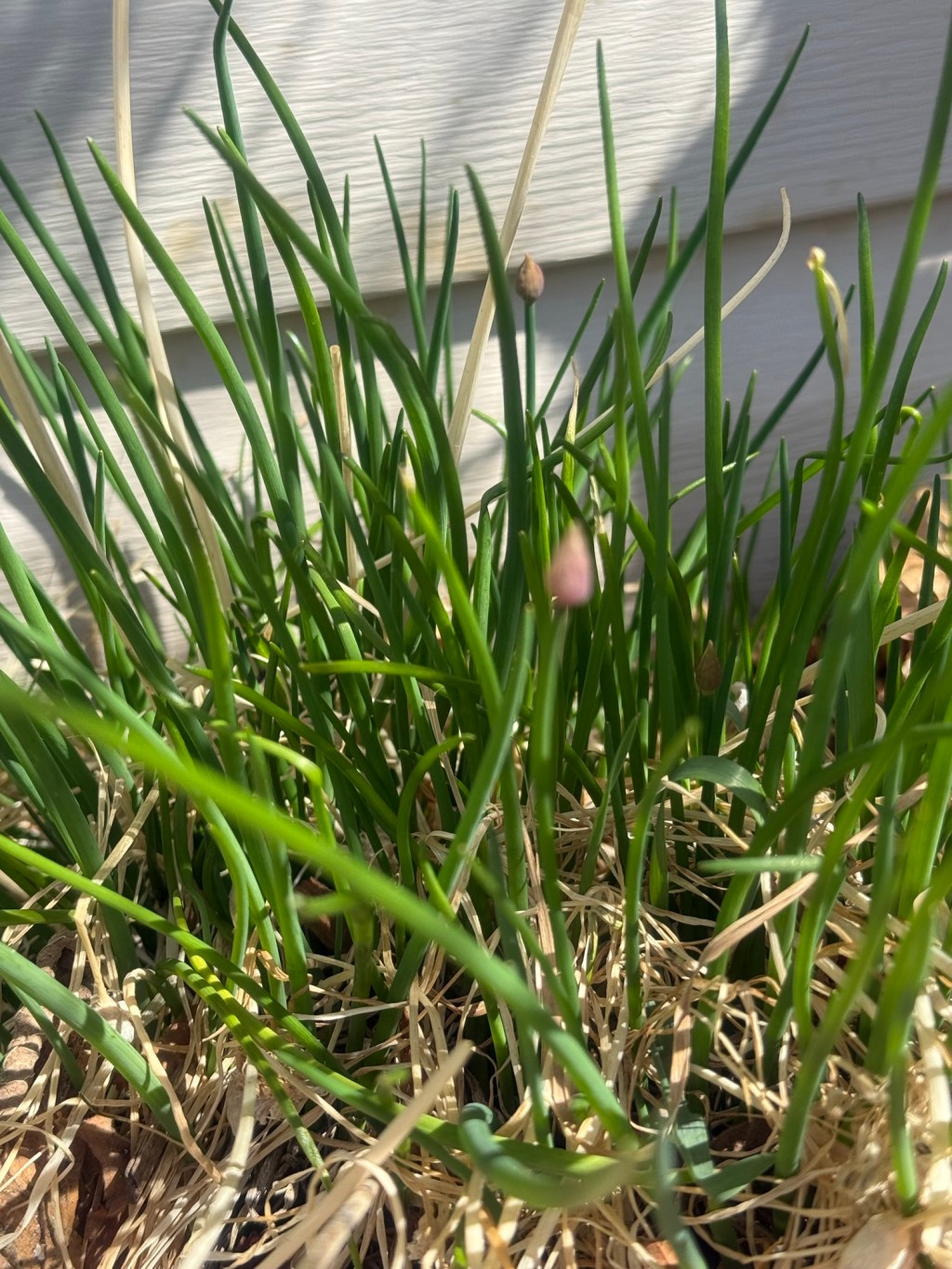
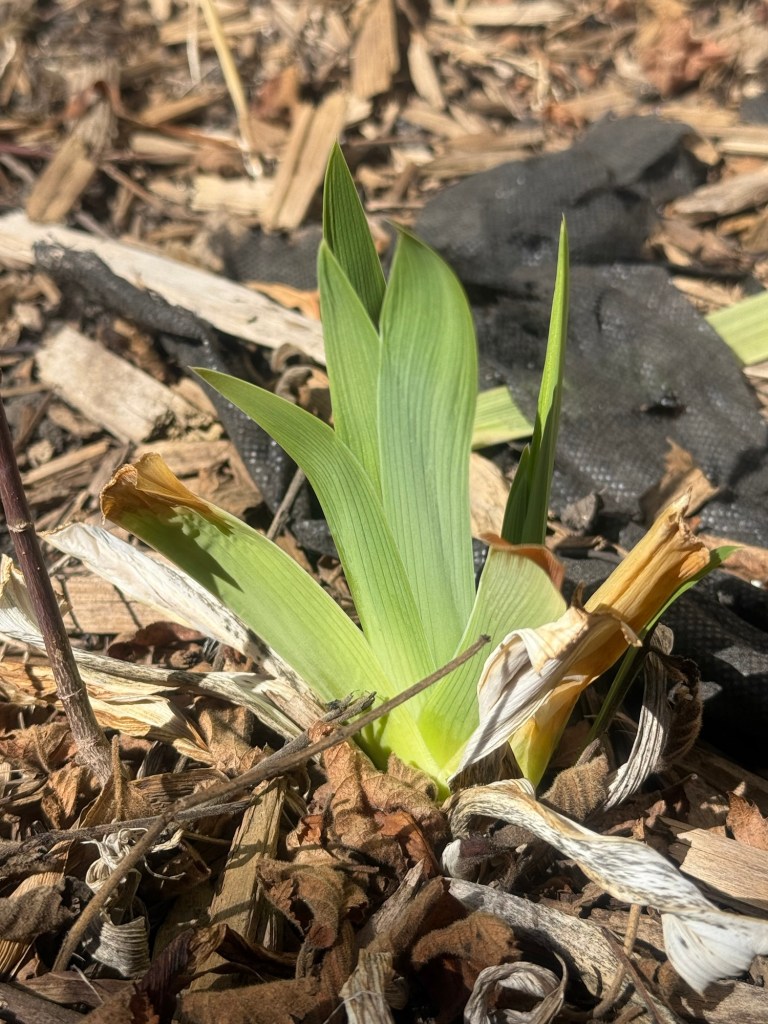
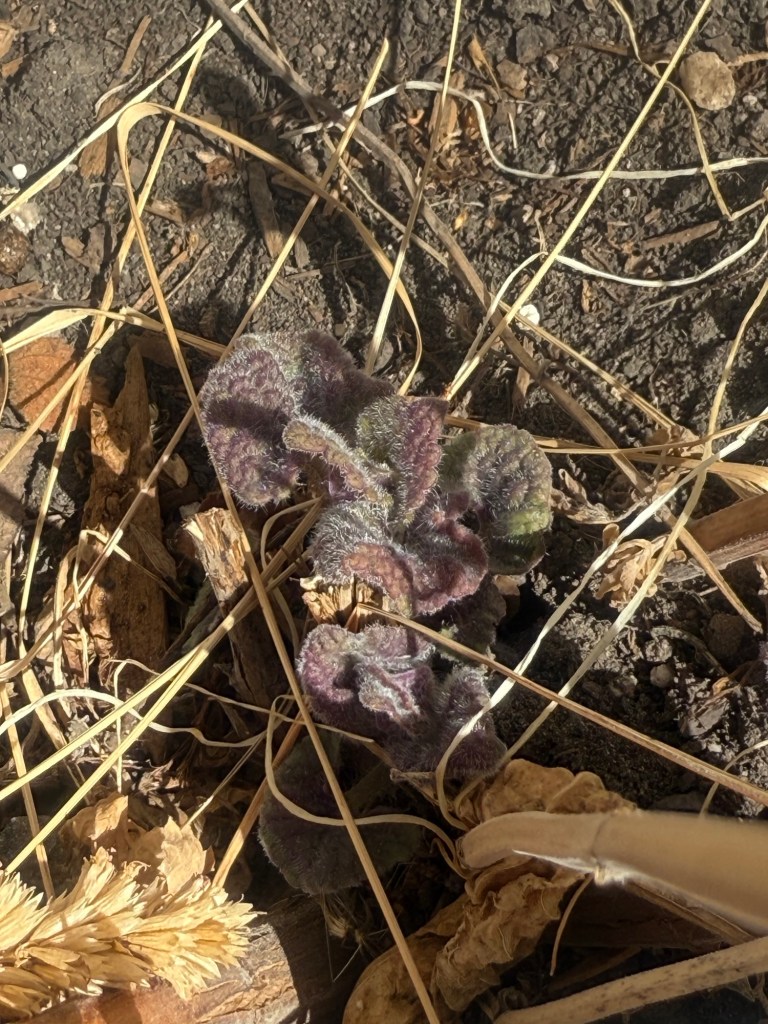
    I’ve included a few photos in this post to help fellow gardeners—especially those just getting started—identify some of the hardy perennials poking through. Spoiler alert: I haven’t weeded yet! That’s intentional. Some early “weeds,” like dandelions, are actually important food sources for emerging pollinators. As long as they’re not invasive or noxious, they can wait a little while longer.

    🛑 Why I Leave the Old Growth—For Now

    You’ll also notice I haven’t cleared out last year’s dead stalks and leaves. This might look untidy, but it serves a purpose:

    Protection: That old growth acts like a natural mulch, insulating tender new shoots from spring snow and chilly night temperatures. Shelter: Many beneficial insects are still waking up, and old plant debris gives them a place to hide until the days get warmer.

    Tip for Zone 3: Resist the urge to clean up until daytime temperatures consistently stay above 10°C. It helps ensure pollinators and overwintering insects get a safe start.

    💦 Watering Wisely in Early Spring

    My garden hose isn’t hooked up yet—still too risky with overnight freezes—but I have turned on my outdoor taps. Today, I hand-watered with my trusty green watering can, especially the front garden bed that gets full southern sun. Thanks to the deep overhang, that bed stays dry even after a snowfall, so I keep an eye on it.

    Even after a light skiff of snow last weekend, I’m seeing life from tough perennials like sedum, wormwood, comfrey, and even a few brave wild strawberries

    Pro tip for Calgary gardeners: South-facing beds warm up fastest, so monitor them closely for early growth—and don’t be afraid to give them a drink, especially if it’s been windy or dry.

    🙈 Don’t Panic If You Don’t See Growth Yet

    Not all plants will be springing up just yet. Here’s what can delay them:

    Microclimates in your garden – Shaded or north-facing areas will thaw more slowly. Plant personality – Some perennials, like hostas, are drama queens. They’ll show up when they’re good and ready—usually right after you give up on them and buy new ones. Soil moisture and temperature – Roots won’t send up shoots until conditions feel just right. Patience is key.

    What You Can Do Now

    ✅ Here’s your early spring checklist for Calgary and Zone 3 gardening:

    Start documenting plant growth weekly—photos, notes, and observations are gold for planning. Hold off on cleanup until temperatures stabilize. Hand water as needed, especially in dry, sunny beds. Watch for early pollinators—and don’t be too quick to pull the dandelions. Sometimes what you think is a weed just might be a poppy popping up. Resist the garden center temptation for just a bit longer! (Wee-ellll maybe a couple pansies….) 😉

    ☀️ Wrapping Up

    Spring is a slow reveal in our short-season, Zone 3 gardens, but that’s part of the magic. Take this time to observe your space, support your soil and insects, and enjoy the quiet moments before planting frenzy hits. Every year, the garden teaches us something new—this week, it’s patience.
  • Spring Garden Planning in Calgary (Zone 3)

    Spring is an exciting time for gardeners, especially in Calgary’s Zone 3 climate, where a short growing season means planning is essential. Whether you dream of a backyard filled with fresh vegetables, an entire orchard bursting with berries, vibrant cut flowers for bouquets, or a fragrant witchy herb garden, now is the time to map out your garden and start your seeds.

    What Do You Want from Your Garden?

    Before diving into seed packets and soil prep, consider what you hope to get from your garden this year. Here are a few popular garden goals and the best plants for each:

    A Productive Vegetable Garden

    If you want to grow your own food, focus on cool-season crops that thrive in Calgary’s climate and those that can be started indoors for transplanting after the last frost (typically late May to early June).

    Best Vegetable Crops for Zone 3

    • Cold-Hardy & Direct Sow (April-May): Peas, spinach, radishes, lettuce, carrots, beets, Swiss chard, rhubarb, garlic (plant locally sourced hardneck varieties in the fall)
    • Start Indoors (March-April, Transplant in May-June): Tomatoes, peppers, cabbage, cauliflower, Brussels sprouts, leeks
    • Mid-Summer Planting for Fall Harvest (June-July): Kale, turnips, parsnips, second sowing of carrots & lettuce
    • Heirloom Seed Suggestions: Ground cherries, heirloom tomatoes (Roma), heritage bush beans, heirloom carrots (Rainbow, Nantes)

    A Fruit-Lover’s Paradise

    Fruit-growing in Zone 3 requires selecting hardy varieties that can withstand long winters. While fruit trees take a few years to establish, starting with berries can yield faster results.

    Best Fruits for Calgary

    • Early Planting (April-May): Raspberries, strawberries, rhubarb, saskatoon berries, currants, honey berries
    • Late Spring Planting (May-June): Apple trees (look for ones with several grafted varieties), cherry trees (Cupid, Juliet, Nanking), haskap berries

    A Stunning Cut Flower Garden

    For those who love fresh-cut flowers indoors, a well-planned flower garden can provide blooms all season long.

    Best Cut Flowers for Zone 3

    • Start Indoors (March-April, Transplant After Frost): Snapdragons, zinnias, cosmos, delphiniums, sunflowers
    • Direct Sow (May-June): Sweet peas, marigolds, poppies, bachelor’s buttons
    • Perennials to Establish (Plant in Spring for Years of Blooms): Echinacea, lilies, daisies, hardy roses
    • Perennials to plant in the fall: Peony, tulip, daffodil and crocus

    A Thriving Herb Garden

    A well-planned herb garden can provide fresh culinary ingredients, medicinal benefits, and fragrant additions to your garden space.

    Best Herbs for Zone 3

    • Hardy Perennial Herbs: Thyme, oregano, sage, mint (keep contained to prevent spreading), chives
    • Start Indoors (March-April, Transplant in May-June): Basil, rosemary, parsley, lavender
    • Direct Sow (May-June): Dill, cilantro, chamomile, borage, calendula, fennel
    • Heirloom Herb Suggestions: Lemon balm, anise hyssop, heirloom basil varieties (Thai Basil, Purple Opal)
    • Biennial suggestions: parsley, tarragon
    • Self-seeding of note: dill, borage amaranth

    Spring Seed Starting Calendar for Calgary (Zone 3)

    MonthStart IndoorsDirect Sow Outdoors
    February-MarchPeppers, tomatoes, onions, leeks, celery
    AprilCabbage, cauliflower, broccoli, herbs (basil, thyme, parsley)Peas, spinach, lettuce, radishes, carrots, beets
    Late May (After Frost)Start to harden off & transplant seedlings (tomatoes, peppers, brassicas, herbs)Beans, corn, sunflowers, marigolds, dill, cilantro
    JuneStart a second crop of lettuce, radishes, and carrotsPumpkins, squash, cucumbers

    Other Spring Garden Prep Tips

    • Test & Amend Your Soil – Add compost and organic matter to boost nutrients.
    • Set Up Raised Beds or Containers – They warm up faster than ground soil, extending the season. (Do not plant perennials in raised containers, as our zone with frequent Chinooks and deep freezes will kill the roots).
    • Use Row Covers or Cold Frames – Protect early plantings from unexpected frosts.
    • Plan for Pollinators – Include flowers like bee balm, lavender, and borage to support bees. Flowers of red and purple are often thought to attract pollinators more frequently.

    Final Thoughts

    By planning ahead and starting your seeds at the right time, you can maximize Calgary’s short growing season and enjoy a thriving garden.

    What’s your top gardening goal this spring? Share in the comments below! 🌱🌸🍅

  • Must-Haves for Seed Starting Indoors

    Spring is the perfect time to start seeds indoors, especially for gardeners in Calgary’s Zone 3 climate. With a short growing season, getting an early start ensures strong, healthy seedlings ready for transplanting. In this guide, I cover the must-have tools, best heirloom seeds, and where to find everything you need.

    1. Quality Seeds 🌱

    Choosing high-quality seeds is the foundation of a successful garden. Opt for heirloom varieties for unique flavors and resilience.
    Best Heirloom Seed Choices:
    • Vegetables: Roma tomatoes, bush beans, Nantes carrots
    • Herbs: Thai basil, anise hyssop, lemon balm
    • Flowers: Heirloom sweet peas, cosmos, and zinnias

    🔍 Where to Buy: Search online for local seed sellers and garden groups, Spruce It Up Garden Centre, Golden Acre Home & Garden (Calgary), West Coast Seeds, Richters Herbs (online)

    2. Seed Trays and Containers 🏺

    Using the right containers ensures proper root development and helps prevent common seed-starting problems.

    Recommended Options:

    • Standard 72-cell trays for a variety of seedlings
    • Biodegradable pots for easy transplanting
    • Recycled containers like yogurt cups or egg cartons with drilled drainage holes. I like red solo cups!

    🛍 Where to Buy: Local Garden Centres, Canadian Tire, Home Depot, Amazon, dollar stores (seasonal)

    3. High-Quality Seed-Starting Mix 🌿

    A well-draining, nutrient-rich mix promotes strong root growth.

    💡 Tip: Avoid using regular garden soil, which may compact and hinder growth.

    🛍 Where to Buy: Pro-Mix (my fave) or Jiffy seed-starting mix at Lowe’s, Canadian Tire, Home Hardware, or garden centers

    4. Grow Lights 💡

    Calgary’s winter and early spring light is not be enough for seedlings unless you have a super bright window. Investing in proper lighting prevents leggy growth.

    Best Grow Light Options:
    • LED grow lights – Energy-efficient and long-lasting
    • Fluorescent T5 bulbs – Affordable and effective

    📍 Where to Buy: Rona, hydroponic shops, Amazon, Costco (seasonal or online)

    5. Heat Mats 🌡️

    Some seeds, like tomatoes and peppers, need warmth to germinate faster.

    🛍 Where to Buy: Available at garden centers, hydroponic stores, and Amazon.

    6. Humidity Domes ☁️

    Maintains moisture levels for faster germination.

    🛍 Where to Buy: Found in most seed-starting kits at garden centers and hardware stores.

    7. Watering Tools 💦

    Watering seedlings gently is key to preventing damage.

    💡 Ideal Tools:

    • Spray bottles for misting delicate seedlings
    • Long necked watering cans to reach easily
    • Bottom-watering trays to keep soil evenly moist

    🛍 Where to Buy: Dollarama, Walmart, garden supply stores

    8. Air Circulation & Ventilation 💨

    Prevent mold and strengthen seedlings with proper airflow.

    💡 Solutions:

    • Use a small fan for air circulation
    • Open humidity domes as seedlings grow

    🛍 Where to Buy: Small clip-on fans at Canadian Tire, Walmart, or online

    9. Labels & Record-Keeping 🏷️

    Stay organized by labeling seed trays and keeping a gardening journal.

    🛍 Where to Buy: Wooden craft sticks from dollar stores, waterproof labels from garden centers or online

    10. Hardening Off Setup 🌞

    Before transplanting, introduce seedlings gradually to outdoor conditions.

    Steps to Harden Off Seedlings:

    • Place outside in a shady, sheltered area for a few hours daily
    • Increase exposure to sun and length of time over 7-10 days before planting

    🛍 Where to Buy: Cold frames or mini greenhouses at Home Depot, Lee Valley, or garden stores

    Final Thoughts

    By having the right seed-starting essentials, you’ll set your plants up for success in Calgary’s Zone 3 climate. From heirloom seeds to proper lighting and ventilation, each step is crucial to growing strong, healthy seedlings.

    🌱 What are you starting indoors this season? Share in the comments below!


  • Troubleshooting Common Seed-Starting Problems

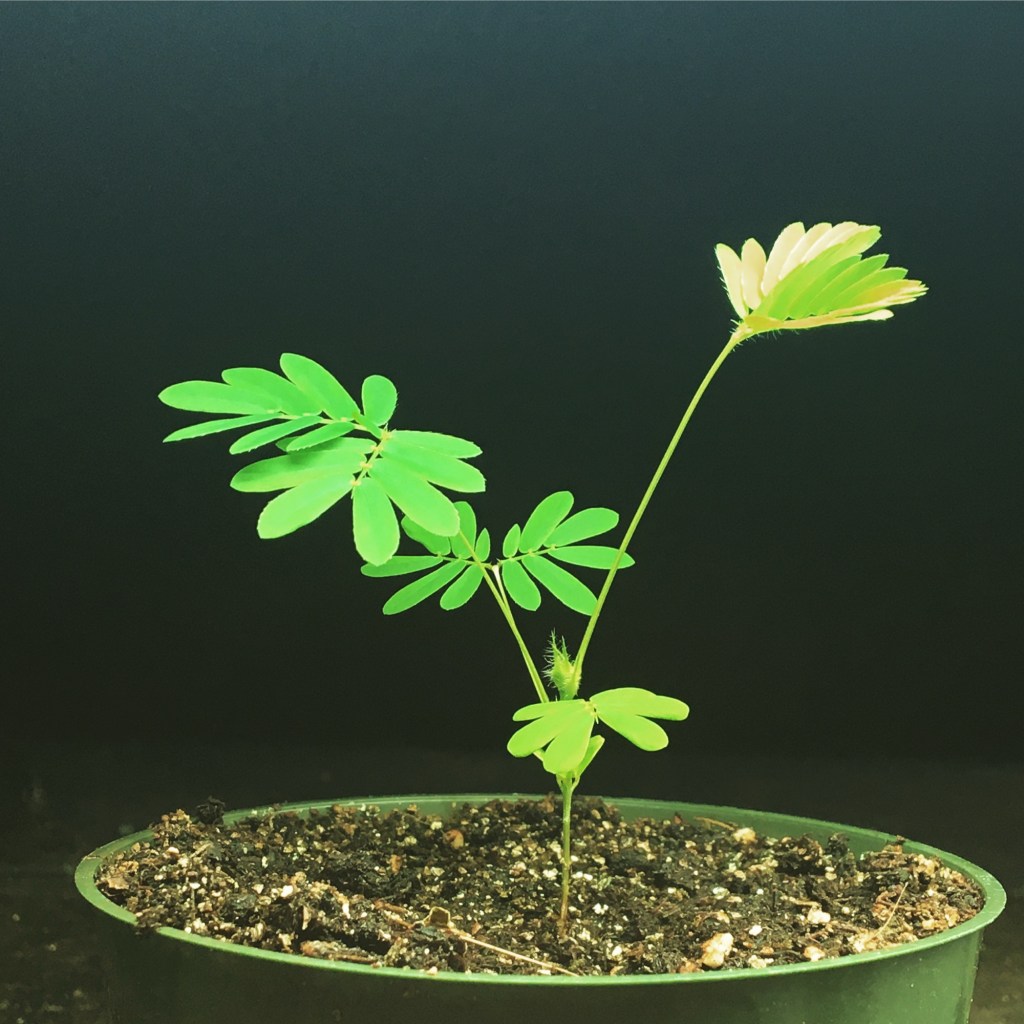
    Mimosa seedling under grow light. Photo provided by author.

    Starting seeds indoors can be incredibly rewarding, but sometimes issues arise that can set your seedlings back. From leggy growth to damping off, understanding these common problems and how to fix them ensures healthy plants ready for the garden. I’ve encountered most of the below problems over the years, and have had many an attempt end up in the compost bin. Below please find some tips and tricks to help prevent the same for you. Please also see my guide for seed starting which details the tools and supplies required for a successful project.

    1. Leggy Seedlings 🌱

    Symptoms:
    • Tall, thin, weak stems
    • Leaning towards the light source
    • Small or sparse leaves
    Causes:
    • Insufficient light
    • Light source too far from seedlings
    • Overcrowding causing competition for light
    • Too lengthy of time under indoor lights
    Prevention & Fixes:

    ✅ Use grow lights positioned 2-4 inches above seedlings.

    ✅ Rotate seed trays daily if using a bright windowsill to prevent leaning.

    ✅ Provide 14-16 hours of light per day (dependent on plant species).

    ✅ Brush seedlings gently with your hand or place a small fan nearby to strengthen stems.

    ✅ Follow seed packet recommendations on timing of sowing & planting out

    2. Damping Off (Seedling Collapse) ⚠️

    Symptoms:
    • Seedlings suddenly wilt and die at the base.
    • Stems appear water-soaked or mushy.
    • White, fuzzy mold on soil surface.
    Causes:
    • Excess moisture and poor air circulation
    • Contaminated soil or containers
    • Overcrowding of seedlings
    Prevention & Fixes:

    ✅ Use sterile, well-draining seed-starting mix. I prefer Pro-Mix.

    ✅ Ensure trays have good airflow – use a light fan and avoid overwatering.

    ✅ Water from the bottom instead of the top to keep stems dry.

    ✅ Avoid reusing contaminated seed trays without proper sterilization.

    3. Poor Germination 🌱🚫

    Symptoms:
    • Few or no seedlings emerging after the expected germination period.
    Causes:
    • Old or poor-quality seeds
    • Incorrect soil temperature
    • Seeds buried too deep
    • Drying out during germination
    Prevention & Fixes:

    ✅ Always use high-quality seeds from reputable sources.

    ✅ Check date on older seed packets and discard varieties that do not last over a number of years. (Do your research).

    ✅ Keep soil temperatures consistent with a heat mat if needed.

    ✅ Follow depth recommendations on seed packets.

    ✅ Keep soil moist but not soggy – use a humidity dome if necessary.

    4. Yellowing Seedling Leaves 🍂

    Symptoms:
    • Leaves turn yellow and may drop off.
    Causes:
    • Overwatering or underwatering
    • Nutrient deficiencies
    • Poor drainage
    Prevention & Fixes:

    ✅ Ensure soil is moist but not waterlogged.

    ✅ Use a weak organic fertilizer once true leaves appear.

    ✅ Make sure containers have drainage holes to prevent root rot.

    5. Seedlings Stop Growing ❌

    Symptoms:
    • Stunted growth, no new leaves forming.
    • Seedlings appear dull and lifeless.
    Causes:
    • Insufficient nutrients
    • Root-bound plants
    • Too cold or too hot environment
    Prevention & Fixes:

    ✅ Feed seedlings a diluted liquid fertilizer once they develop their first true leaves.

    ✅ Transplant into larger containers if roots outgrow their space.

    ✅ Keep temperatures stable and avoid placing seedlings near cold drafts.

    6. Mold Growth on Soil 🦠

    Symptoms:
    • White or gray fuzzy mold on the soil surface.
    Causes:
    • Excess humidity and poor air circulation
    • Overwatering
    Prevention & Fixes:

    ✅ Use a small fan to increase airflow.

    ✅ Allow soil to dry slightly between waterings.

    ✅Space out the seedlings.

    ✅ Sprinkle cinnamon on the soil – it has natural antifungal properties.

    Final Thoughts

    By identifying these common seed-starting issues early, you can take action to ensure strong, healthy seedlings. Whether adjusting lighting, improving airflow, or using proper watering techniques, a little troubleshooting goes a long way.

    🌱 What seed-starting challenges have you faced? Let me know in the comments, maybe I can help!


  • Holiday Cheer
    It doesn’t have to be perfect!

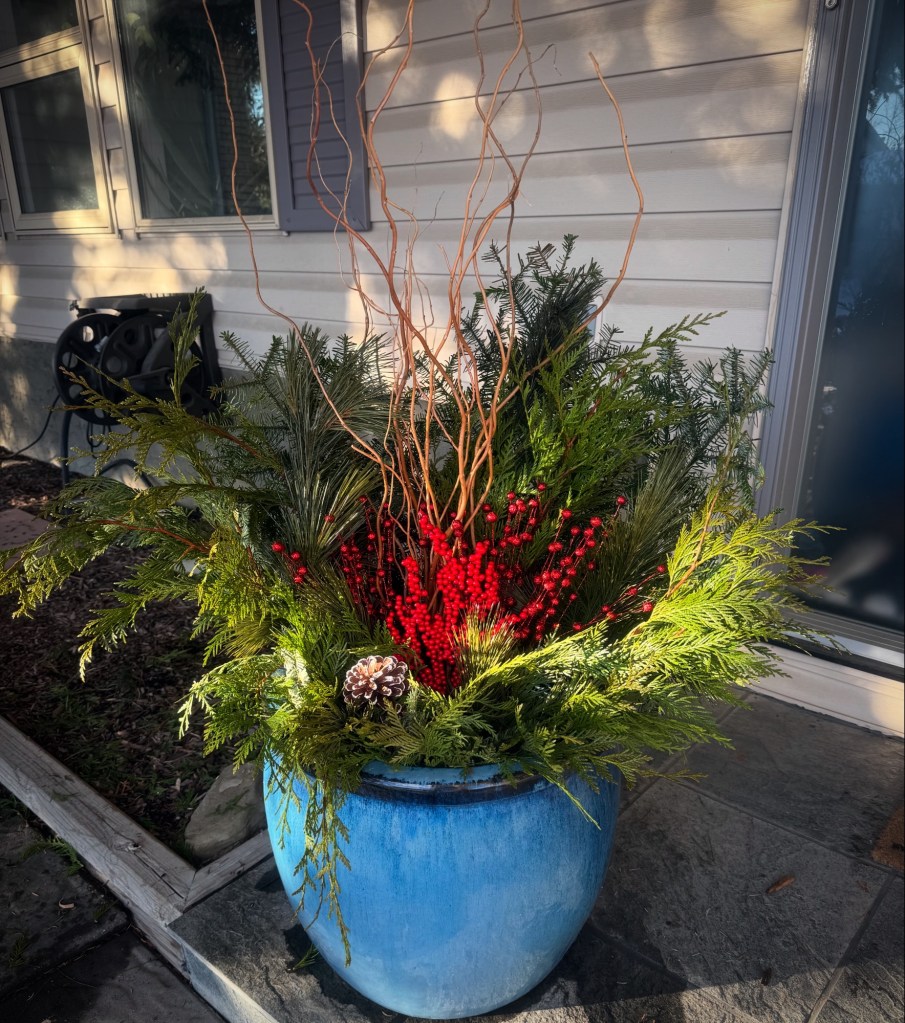
    Every year I attend the Spruce Meadows Market and walk away at the end with a bag full of live boughs. Some years I make a couple arrangements for family and friends. Others I just take the time to focus on my own front door. This year was one of those years. It’s a bit messy, it’s more on the traditional side, but it was fun for me to do with no stress or pressure for time. This is my 2024/25 front door. Not bad for just over $30 in new materials and my own two little hands. What do you think? Next year maybe some asymmetrical shapes and a dash of gold? It’s a new canvas every year!

  • Brighten up your indoors: Easy flowering plants for your home

    I don’t know about you, but I tend to get a bit sad when the days get shorter and the outside gets whiter. So I have some easy plants inside that flower during the ‘off-season’ here in Calgary. I’ve highlighted a few below that seem to tolerate our dry winters (do turn up your humidifiers tho, people). If you want any care advice on these guys, comment below or send me an inquiry. And if you have an easy favourite, let me know!

    Thanksgiving Cactus (Schlumbergera)

    When treated right, the Thanksgiving cactus will bloom up to three or four times during the fall and winter months. I like this variety in particular as it blooms earlier in the season. They are named such for the season in which they start blooming. (Ie: Christmas cactus & Easter cactus). The increase in darkness is what triggers the blooming for these plants, so if you have yours situated in an area where there is a lot of artificial light at night, it may take longer for them to bloom. This is one of the first plants I ever started taking care of like a proper adult and I’ve had the same one for over fifteen years. And one individual I have was a cutting from a friend’s grandmother’s plant, and it is over eighty years old by now. So yes, these plants are tough!

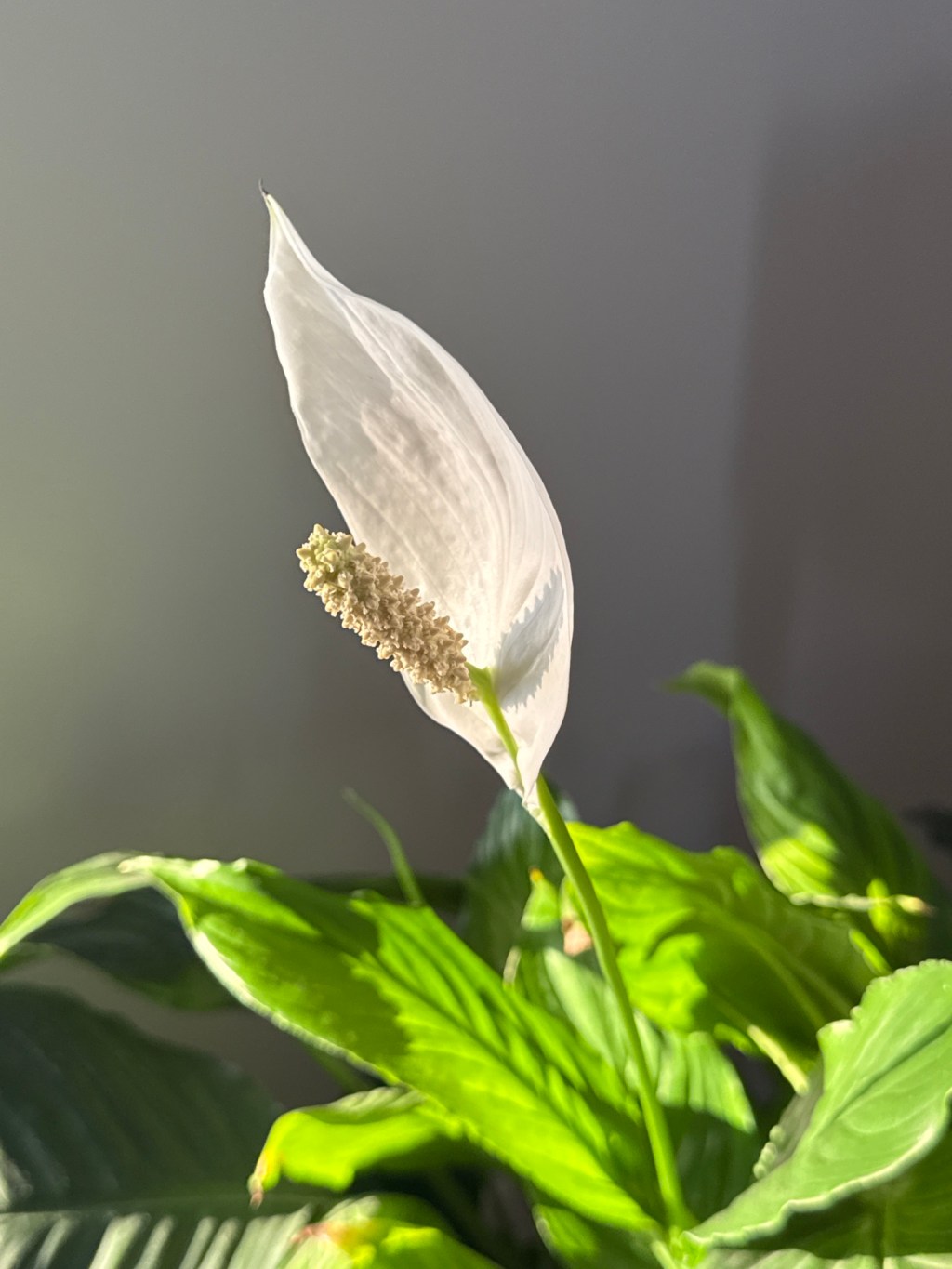
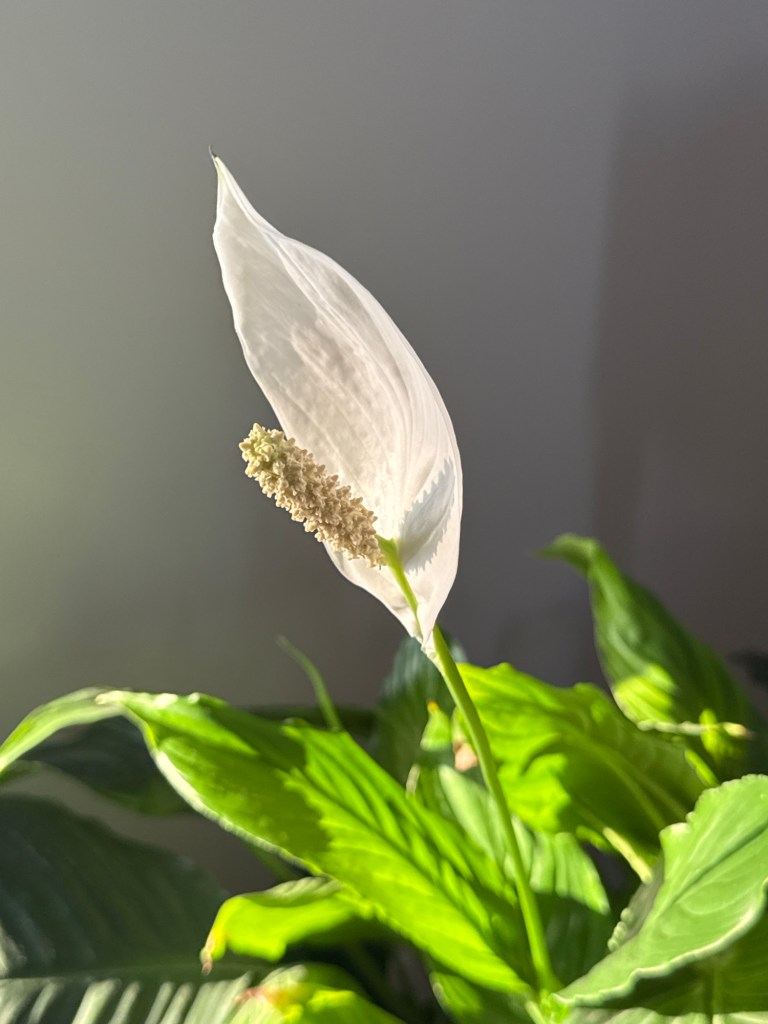
    Peace Lily (Spathiphyllum)

    I love Peace lilies! They communicate with very dramatic means when they are thirsty as they simply flop over like they are dead. You know those videos of fainting goats? It’s kind of like that. I remember my mother was looking after our house one summer while we were away, and she sincerely and very guiltily thought she had killed my Hector. (Yes, I name my plants). And it really did look like it had given up the will to live. But a little soaking, and it was back to self very quickly.

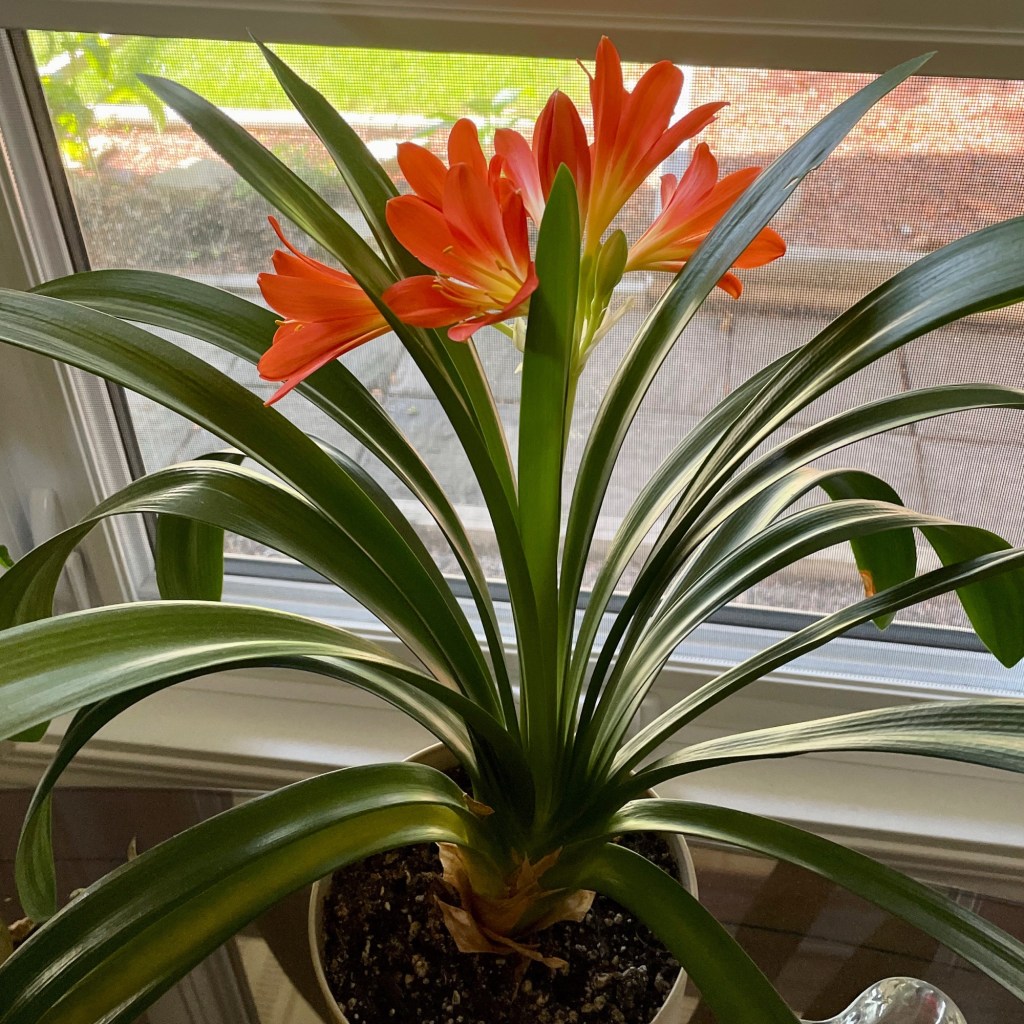
    Clivia

    My Clive always seems to surprise me when he blooms, mostly because it’s usually after I’ve neglected him for quite a while. I think a ‘dry bout’ helps, to be honest, but at any rate, he gives off very bright happy blooms off one flower stalk (florescence). And he always makes my social media when he does. Famous, Clive is.

    ZZ Plant (Zamioculcas zamifolia)

    Did you know these ones bloom? It’s an unusual bloom and I honestly had my ZZ plant for over 12 years before it started blooming. The flower is a bit more unusual than what you may be used to in a house plant, but it’s pretty impressive and lasts quite a while.

    African violets (Saintpaulia ionantha)

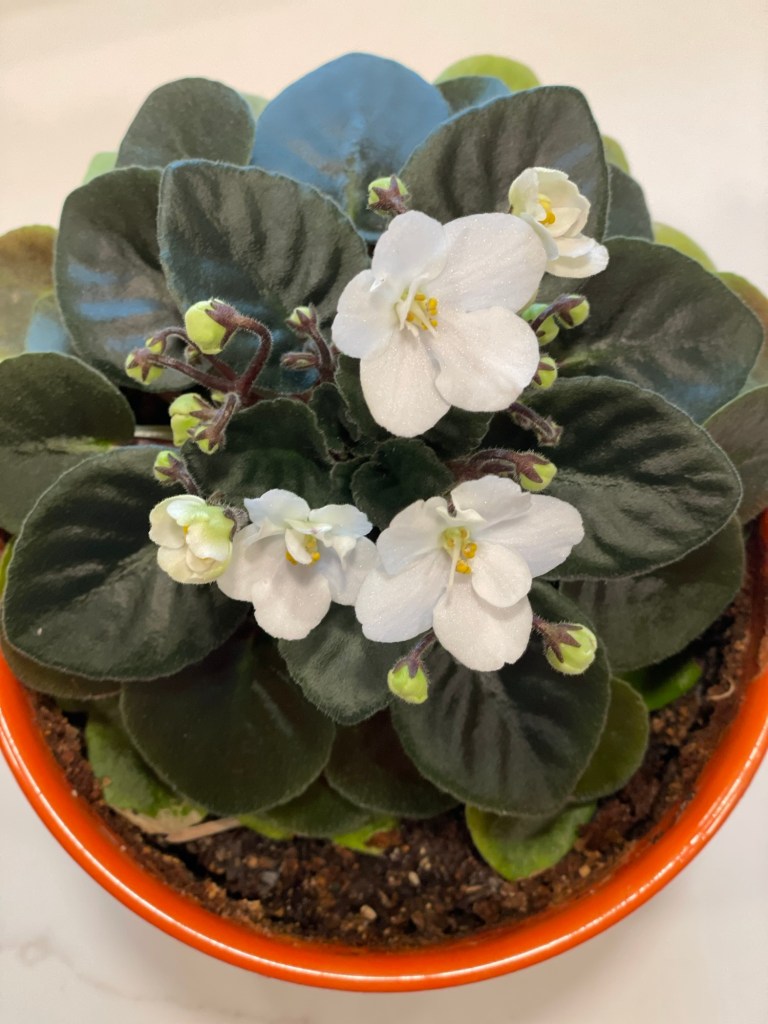
    For the longest time I despaired my African violet would ever bloom again. They just need a little fertilizer every once in a while and that seems to do the trick. Who knew? There’s so many different and pretty varieties out there to choose from, my current favourite is white. Perhaps because I bought it in winter and it seemed kind of a Snow White beauty.

    Orchids (Orcidaceae)

    I confess I don’t have the best luck with these ones. I’m not an orchid officianado so please don’t ask my advice on this one. I’m always just simply thrilled when mine decide to throw up a stalk and flower. I have three ‘rescue’ orchids and one gifted one in my house. They are each beautiful in their own unique way. Below is my current fave:

    Kalanchoe (Kalancho bossfeldiana)

    Kalanchoe seems to come out always at the same time as Thanksgiving and Christmas cactus in the greenhouses. They have cute little blooms and come in many different colours. Like the cactus mentioned above, you can keep them year round and they will rebloom for you with a little bit of care. (No pic, I currently don’t have one in the house but don’t let that stop you from purchasing one).

    Hoya

    My mom made my dad get rid of his long-lived hoya as when it bloomed, it stank to high heaven and dripped a sticky nectar everywhere. So that is the sum of my experience with that. The hoya I have now hasn’t bloomed yet, so I’ll keep you posted. I can tell you it absolutely loves neglect. I’m sure the variety I have won’t smell too strongly, right?

  • Dirt. It’s a whole thing.
    Front garden bed at the end of summer

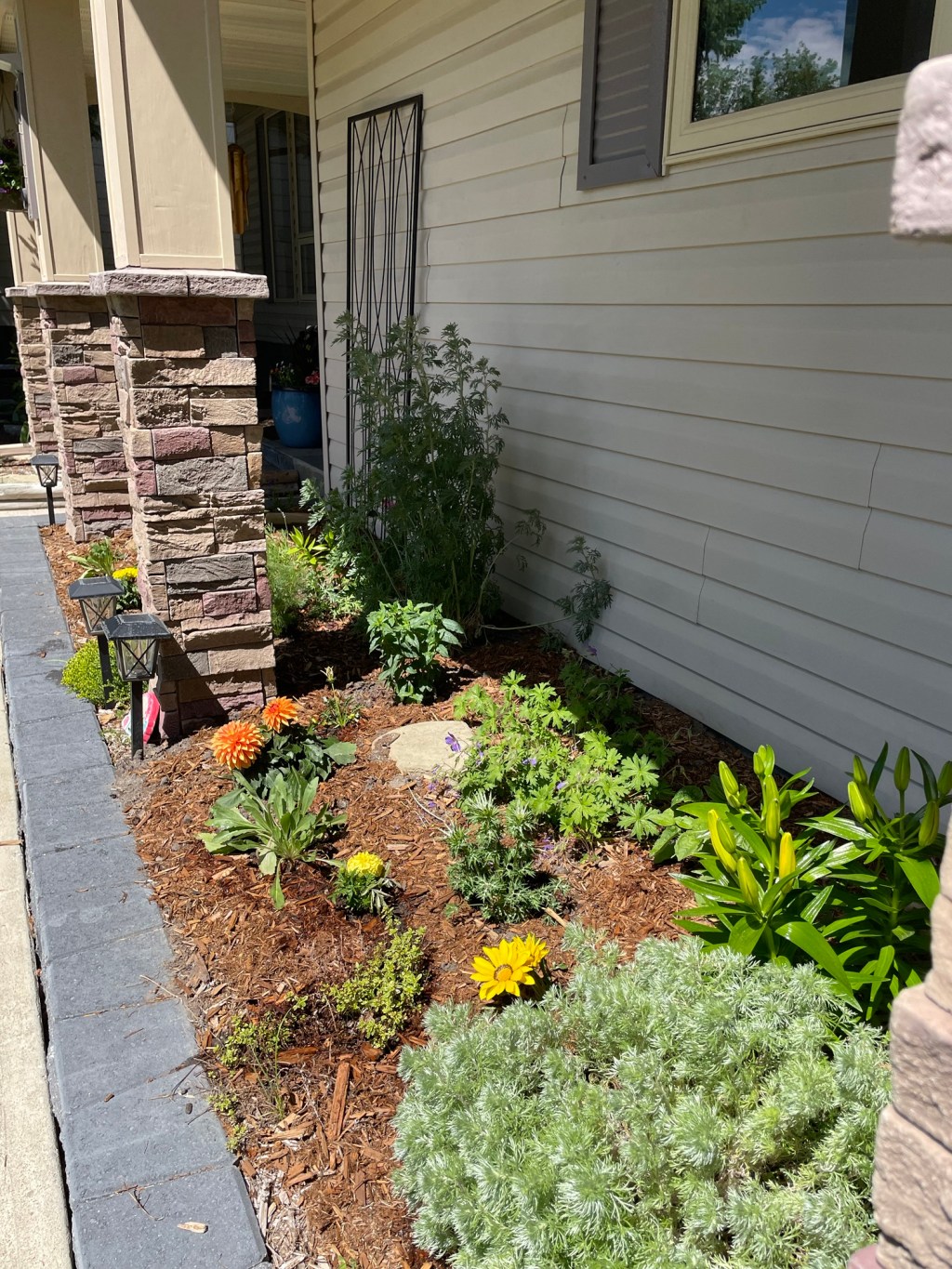
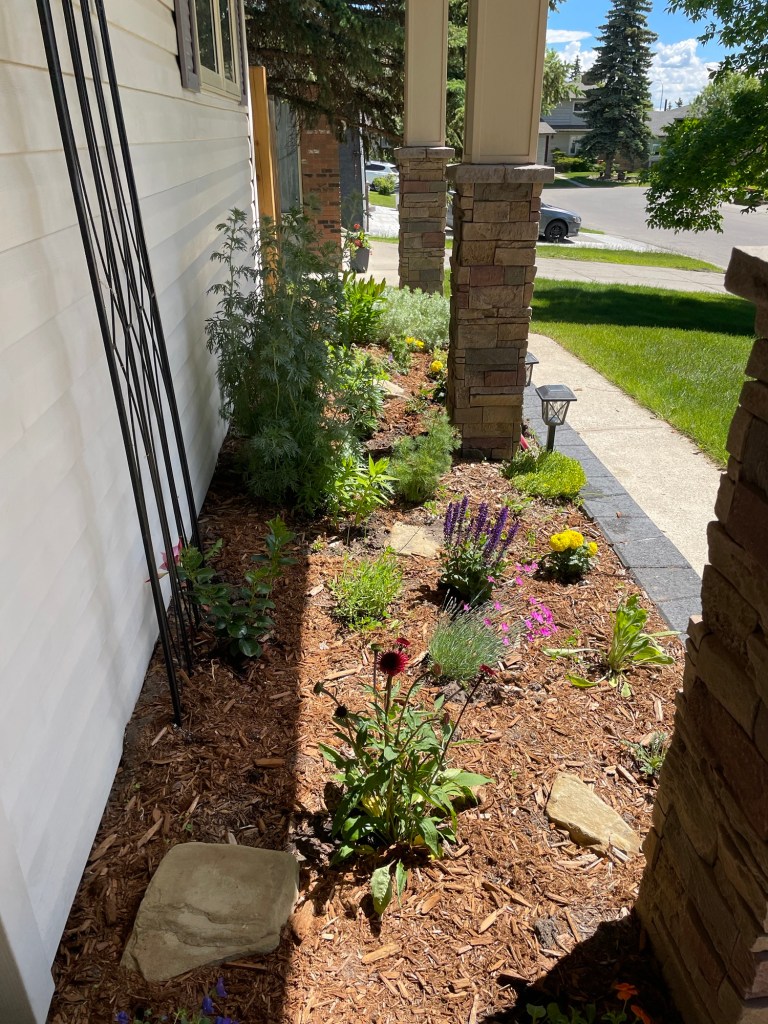
    When we first moved into our house, I loved the front garden bed. It had these cute little Christmas trees in it, some purple echinacea, and some bright happy orange lilies that popped up in the spring. I didn’t really pay it much mind, put the hose to it occasionally and that was that. But over time, the ornamental cedars started to dry out, and the coneflower seemed to shrink year over year. The lilies were happy, but that was about it. So we dug out the dead cedars (man oh man I needed my husband’s sawzall to get those roots out), put in a potentilla and some barberries, replaced the echinacea, and thought, that should do it! Well, a couple more of our Chinook winters and hot summers later, and we were in the same boat AGAIN. What the heck?

    The garden bed in question is south facing, and under a large overhang. It dries out very quickly and doesn’t get any natural water from rain or snowfall because it’s sheltered by that overhang. After taking a couple garden courses (the UofS soil sciences course is tough, but it’s a gooder!), I realized it needed help. I tried to amend it. I added compost. I mulched (but not enough). I watered it weekly. Still very poor yields. In all honesty, the soil was so clay-like it would have taken years to amend it and get it healthy again. So we bit the bullet and had it dug out. Put in some quality soil, and planted some new drought-tolerant perennials. This is the second summer and most of the perennials have come back and are thriving. Yay!

    And now the why:

    What was missing from the original soil? Well, there were a few things. Plants need nutrients but they also need some microorganisms that live in the soil. Like worms, they help plants take up nutrients, they break down organic matter in the soil, and they do a whole bunch more things that science can tell you about if you really want to dive down that wormhole. (See what I did there?). So when my soil got super dried out in the summers and through Chinooks, that certainly did not help support the other lifeforms. (Except the ants. They LOVE a dry place to build a nest. Lots and lots of ants). If I overwatered on the other hand, I ended up drowning everything. Having a soil that is well-draining is much better than one that acts like a retention pond on the other end of the spectrum.

    Plants also need aeration in the dirt. So if your soil is very dense/thick, it’s probably not helping those roots breathe (like when it’s overwatered). That’s why you see those perlite bits in potting soil for container gardening. They are there to help break up the soil, creating air pockets. In a natural environment, decomposing organic materials (bark, mulch), rocks, and even those pesky ants help provide these pockets. So how do you keep a decent level of moisture and air at the same time? Up the organic matter. Add in those things you see in a natural environment like tree bark/mulch along with some compost. As those break down they will add pockets and also make it nice and loamy. And it will encourage those organisms to move in that we want – worms to break up and down the soil into nutrients, and other little buggies and micros.

    When should you do this? You can do this really anytime, but in the spring and end of season are recommended by the experts. I personally like adding compost in the spring and then the mulch in the fall as it’s easier on the budget. Leaf mulch is awesome in the fall as it acts like compost and breaks down quickly over winter.

    There are of course various soil tests you can do to determine the soil texture and the Ph levels of your garden beds. The Calgary Horticultural Society has some DIY tips on their site and Lee Valley has some soil test kits. It can be a fun little science experiment if you or your kids are into that kind of thing. But unless you want to enter for garden of the year in your local community, I suggest starting with the above. I took the extreme measure by replacing the soil entirely as it was pretty hopeless. And sometimes it feels good to start fresh. The greatest thing is now I know how to maintain it properly.

    Early spring
  • A ladybug invasion?
    Photo by Ngan Nguyen on Unsplash

    Honestly, who would’ve thunk it?

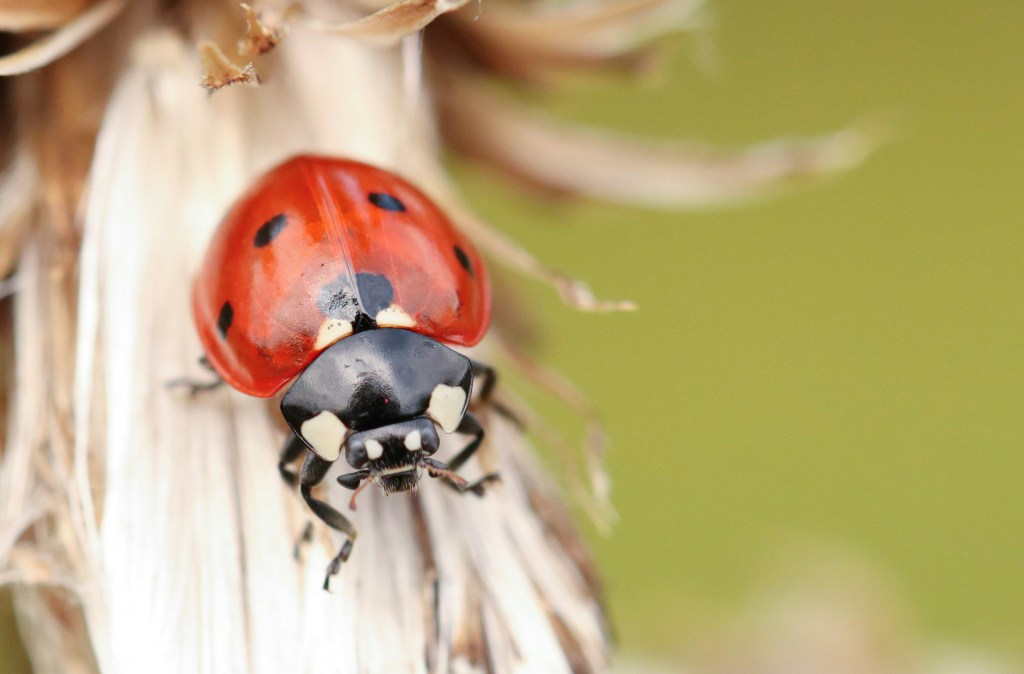
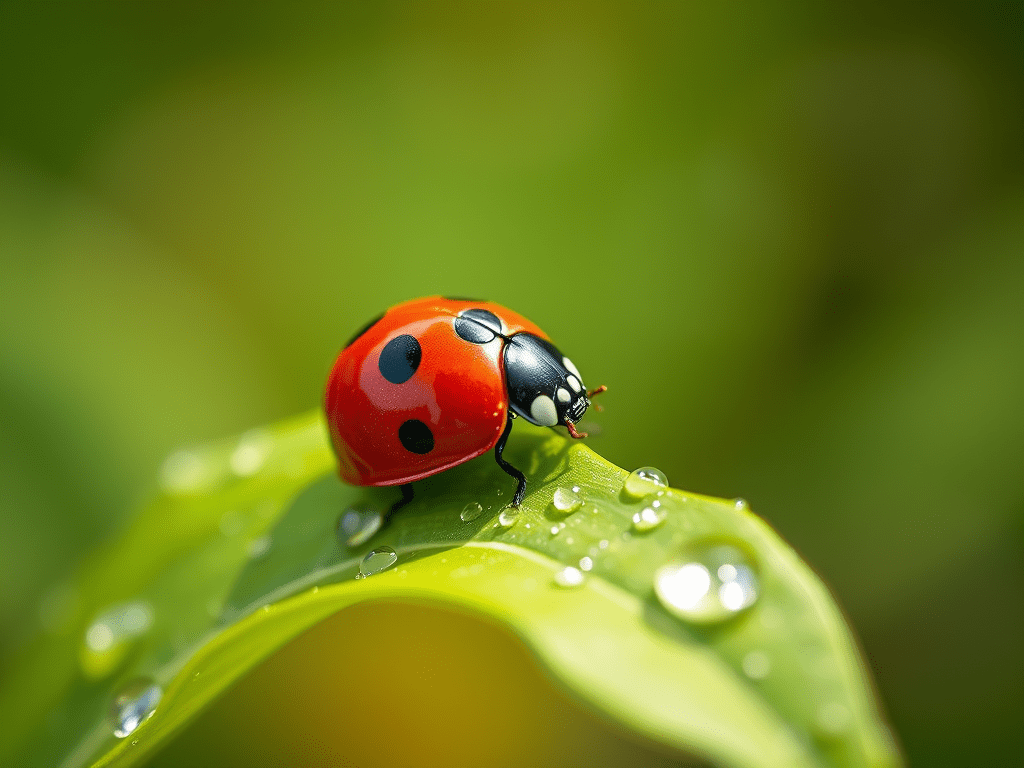
    This past week my social media gardening groups were all abuzz with talk of a LADYBUG INVASION. Oh the horror! As I began winding up my garden, I have to admit I rescued more than a dozen of the bright little beetles from my compost pile and relocated them. And there were a lot of them, but I didn’t think it unusual for this time of year—they normally start looking for places to hibernate around now.

    It was also a hot, dry summer (thanks broken YYC water main) which stressed our plants and allowed for an uptick in aphids. Which led to some happy ladybugs. A classic predator-prey relationship population example. Or so we would think. However, a local entomologist raised the alarm that too many ladybugs in our area are introduced from Europe and are causing a disruption in our natural biodiversity. Eeeps! How were we supposed to know? Like bees, we have been taught that ladybugs are our friends, our organic pest control, our chemical alternative! The article insinuated that many of the introduced ladybugs are from garden centres, where well-intentioned gardeners are buying for their yards and greenhouses. So this is where we, as the informed green-thumbed amateur experts that we are, must take care and check the packaging. Buy local! (New YYC tee-shirt idea, you’re welcome).

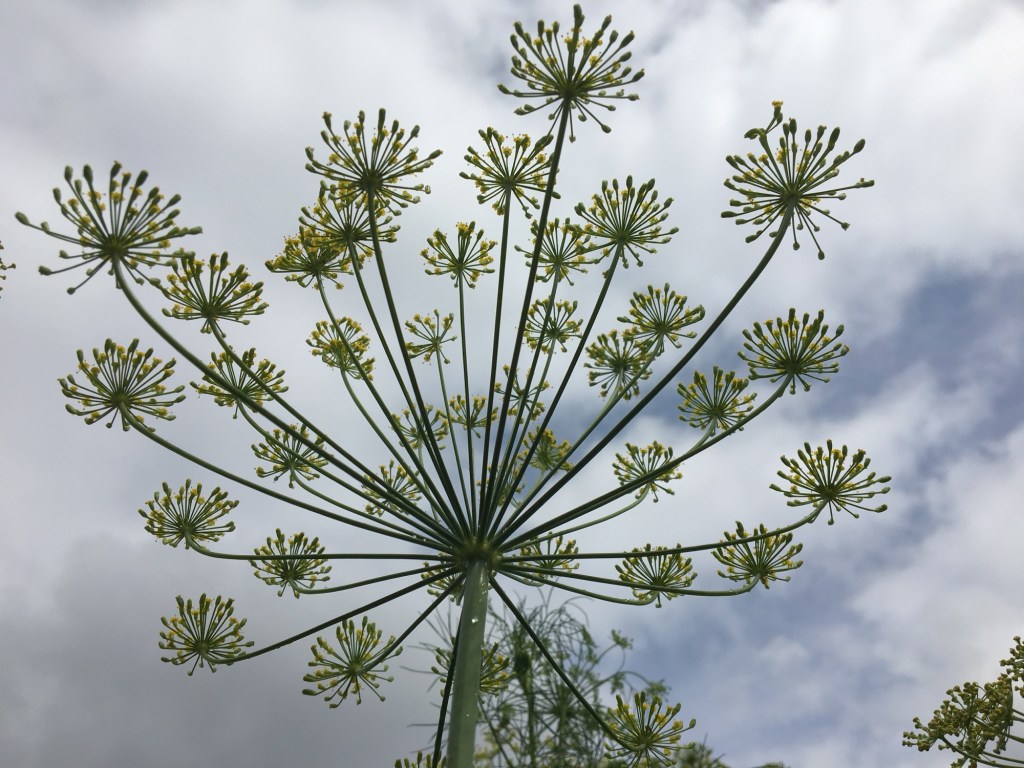
    There are other ways to manage aphids and other pests in our gardens that don’t involve chemicals or ladybugs. I personally like to plant nasturtiums along the borders of my garden beds to act as ‘trap plants’. Aphids, leaf miners and flea beetles seem to like them better than my beets and rutabagas. I’m also not the biggest fan of dill or fennel, so I don’t feel badly if the aphids choose to suck on that in my garden. (Suck it, aphids!)

    Trap plants are a useful trick to border your garden, and they can be pretty, too!

    I also watch the other insect activity in my garden. Are the wasps flying around a particular plant more often? They are an early indicator you may have cabbage moth larvae in your brassicas (brussel sprouts, cauliflower, and of course, cabbages). Do you follow a busy ant trail and find them farming aphids on your rhubarb? These clues can lead you with the garden hose pretty quickly, and when needed, some shears or some organic-friendly pesticides like an insecticidal soap (always read label etc etc).

    There’s another method that comes with personal warning. If you make a homemade garlic spray, make sure you are upwind during application. And check the weather forecast.

    I have no idea what kind of ladybugs these are! But I moved them to my rosebush.

    And just a little end note, here. A healthy balance of insects (like native plants) are good for your garden. They encourage other wildlife to share your space! Birds, pollinators, bugs, even skunks are indicators of a healthy ecosystem. Don’t freak out and reach for the spray bottle the instant you see a pest. Monitor it over a little while, see what happens. You may be surprised.

  • I saw the sign … am I ignoring them now?

    What details of your life could you pay more attention to?

    That niggling sense … that little voice inside your head … the aha! that gets pushed aside. Our intuition can be so … well, intuitive.

    When I was quite young, my grandparents left from Canada to visit family in South Africa. I remember sitting at the top of the stairs in the entrance of our house, my legs swinging, small enough to fit through the wooden spindles of the railing. I gripped those spindles, and could not stop my tears. There was a welling up inside of me, of something BAD that was going to happen when they left. I didn’t have the words, nor could I stop the feeling of dread. My mother probably chalked it up to my youth and the lateness of the hour, patting my back and saying they would be back before I knew it. But I knew, as they bundled up their coats and Dad took them off to the airport, that they shouldn’t go.

    My grandparents did come home from that trip, it wasn’t quite as dramatic as an airplane crash or something like that. But they did end up extending their stay by quite a few weeks. My grandma had wound up in hospital with a severe case of malaria, despite their precautions.

    After that, six year old me swore to listen to that oh-so-loud feeling.

    A year later, my mom told me she was getting up early the next morning to go sign me up for skating lessons at the local community centre (this is pre-internet days). I experienced that exact same feeling, deep in the pit of my stomach. I worried all evening about it, thoughts racing in my head of wha-ifs. No idea what would happen, just that she shouldn’t go. Finally, at bedtime, I told her I didn’t want lessons anymore. She was confused (I loved figure skating) but I was adamant, and finally told her that I just didn’t like it anymore, that I refused to go. So she didn’t get up at six in the morning (I’m sure she didn’t argue that hard). And then it was just a normal day. I have no idea what would have happened. But I felt relieved, and somehow still do?

    Those unforgettable feelings of intuition have been muted over the many years since. Did I miss something when I wrote off my beloved 1995 Mustang due to a poor error of judgement?
    Did that tingle when I first met eyes with my husband when I was 16 lead to our marriage many, many oh so many years later? (I really had preconceived notions about him in high school).

    Why haven’t I felt such strong gut feelings since? Or if I have, why have I written them off? Would I be someone else, somewhere else, if I learned to listen? I am writing this on my iPhone, and the irony is pretty plain to me.
    LISTEN. Learn. Connect.
  • Parsley, Sage, Rosemary and Thyme: It’s so hard to say good bye

    It is an absolutely STUNNING fall day here in YYC. The trees are changing colour but the grass is still green after a recent rain. The sky is a brilliant blue, and there is a light breeze with just a tinge of cool. Fall is fleeting for us in zone three, however. One random frost, one wind storm and poof! we are in Drabville. Leaves shed like the Whomping Willow going into winter. Grass all yellowing and brown. Annuals dead and mildewing… Man, I hate seeing it end! So I am enjoying this beautiful autumn palette and bright sunshine. 

    BUT I’m also doing what I can to prep my garden for winter. We are finally out of water restrictions after a very hot summer so I am watering like a fiend. My perennials need all the love they can get now after months of neglect. I’ll be giving them a good deep watering once a week until freeze up – right until we have to shut the outdoor taps off. We really aren’t that far from a good frost so I’m also saying a (tearful) goodbye to the tender annuals and singing Boyz II Men as I fill the compost bin.

    Enjoy these days of harvest! All our hard work is finally coming into our homes. Zucchini cake (and zucchini fries and salsa and stir fries) will be missed in the dead of winter. The last of the garden flowers (and bugs lol) on the dinner table will be replaced with pinecones and candles soon enough. I am always grateful this time of year for the successes and the lessons from the season.

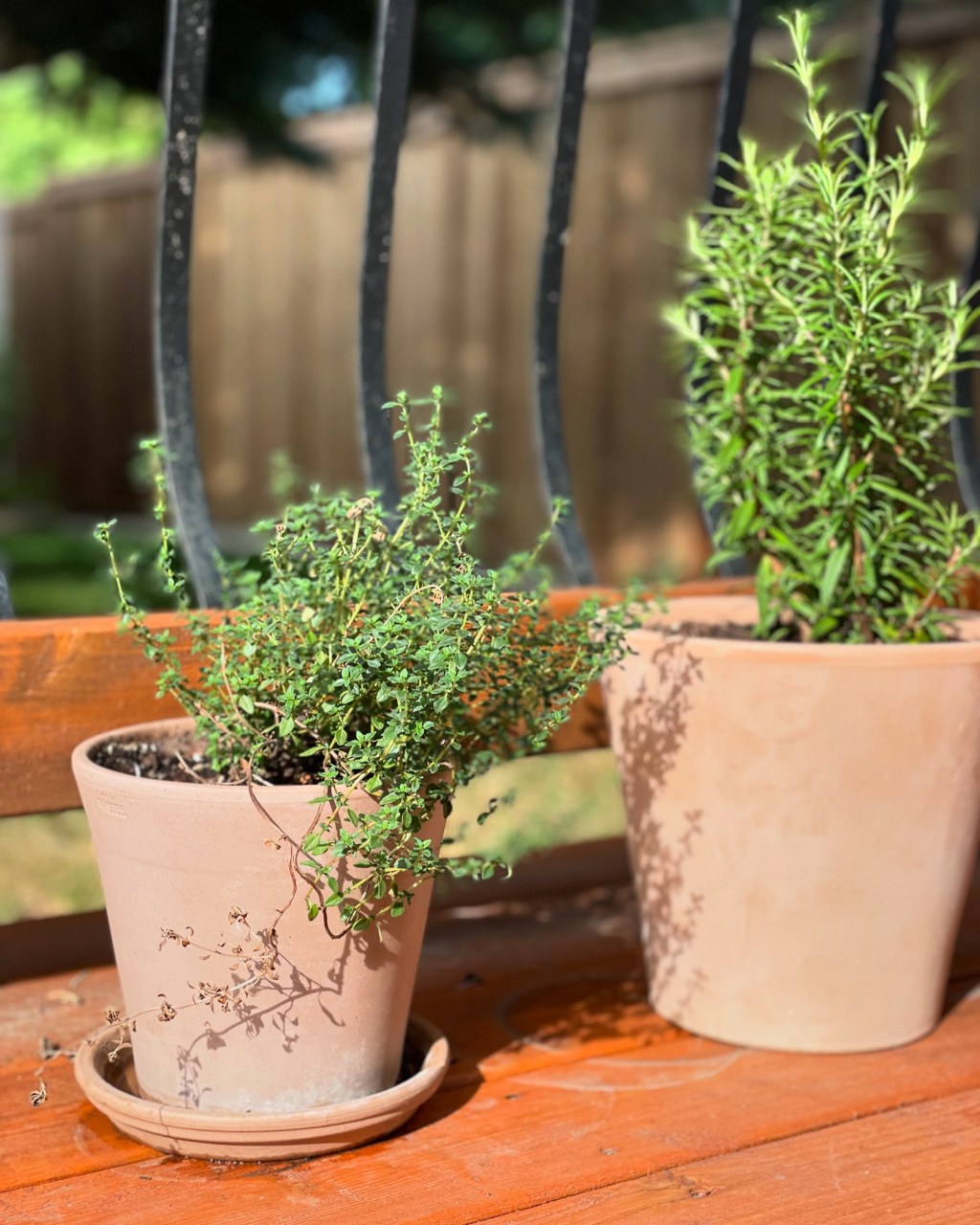
    But I do hope the neighbours forgive me as I sing Simon & Garfunkel while I harvest the herbs for the dehydrator this week…

    Watering this time of year helps prep your perennials for the winter and spring next year. Don’t forget your trees, either!