
Every spring and summer, my social media feeds light up with passionate pleas to save the pollinators. Bees and monarch butterflies flash across the screen beneath headlines warning that they’re disappearing. And honestly? That kind of messaging can really hit a gardener where it hurts—especially as we cheerfully tuck non-native annuals into pots and wage war on the nettles and dandelions.
The experts tell us that pollinators are especially drawn to blue, purple, and red blooms. That’s because bees can see ultraviolet light, giving them access to a broader spectrum of colour than we humans can perceive. Over the years, I’ve come to recognize a few “bee favourites” in my own Zone 3 garden—plants that consistently draw in buzzing visitors and earn their keep year after year.
Here are a few of my go-to pollinator pleasers:
Gaillardia (Gaillardia aristata, Gaillardia x grandiflora)
Whether it’s a native species or a cultivated hybrid, Gaillardia is tough, cheerful, and blooms for ages—well into the fall, when many other plants are past their prime. Bonus: it’s a hardy perennial in colder zones and doesn’t ask for much in return.

Sunflowers (Helianthus annuus)
Few things make me smile like spotting a drowsy bee snoozing on a sunflower first thing in the morning. While the towering giants are stunning, there are also dwarf varieties that bloom earlier and stay compact, perfect for smaller spaces and shorter growing seasons.

Borage (Borago officinalis)
This edible, self-seeding herb is as popular with bees as it is with herbalists. Its star-shaped blue flowers are nectar-rich, and while it can be a bit of a wanderer—popping up wherever it pleases—it’s hard to stay mad at such a bee magnet. Garnish your next gin drink with the flowers, you won’t be disappointed.
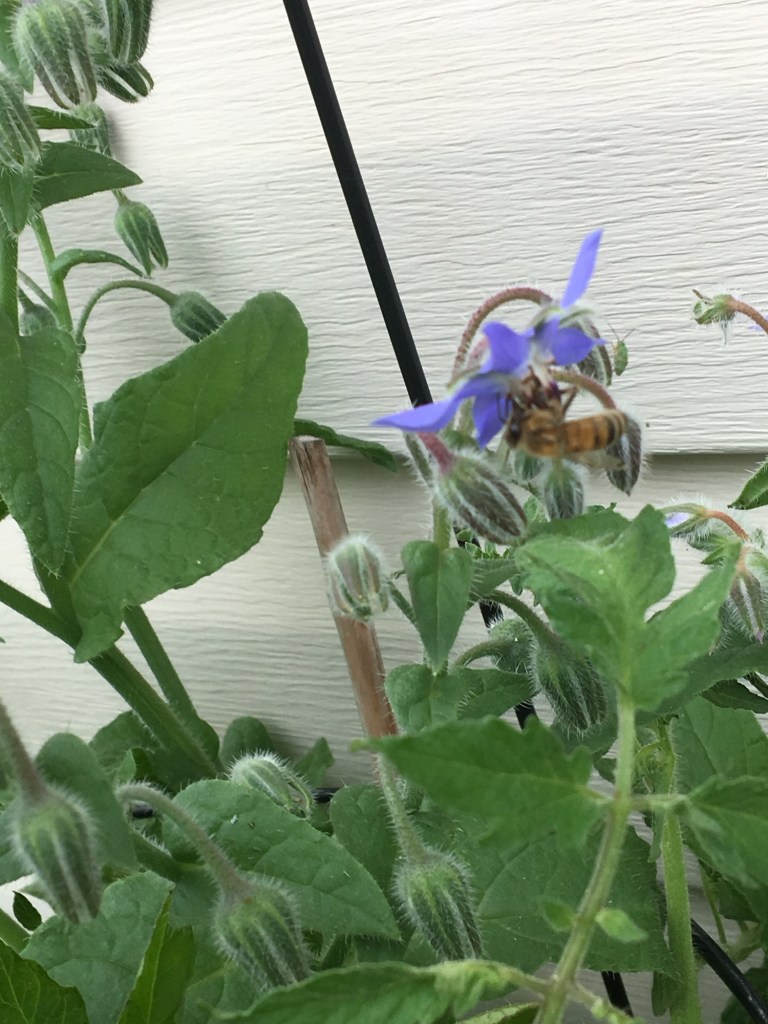
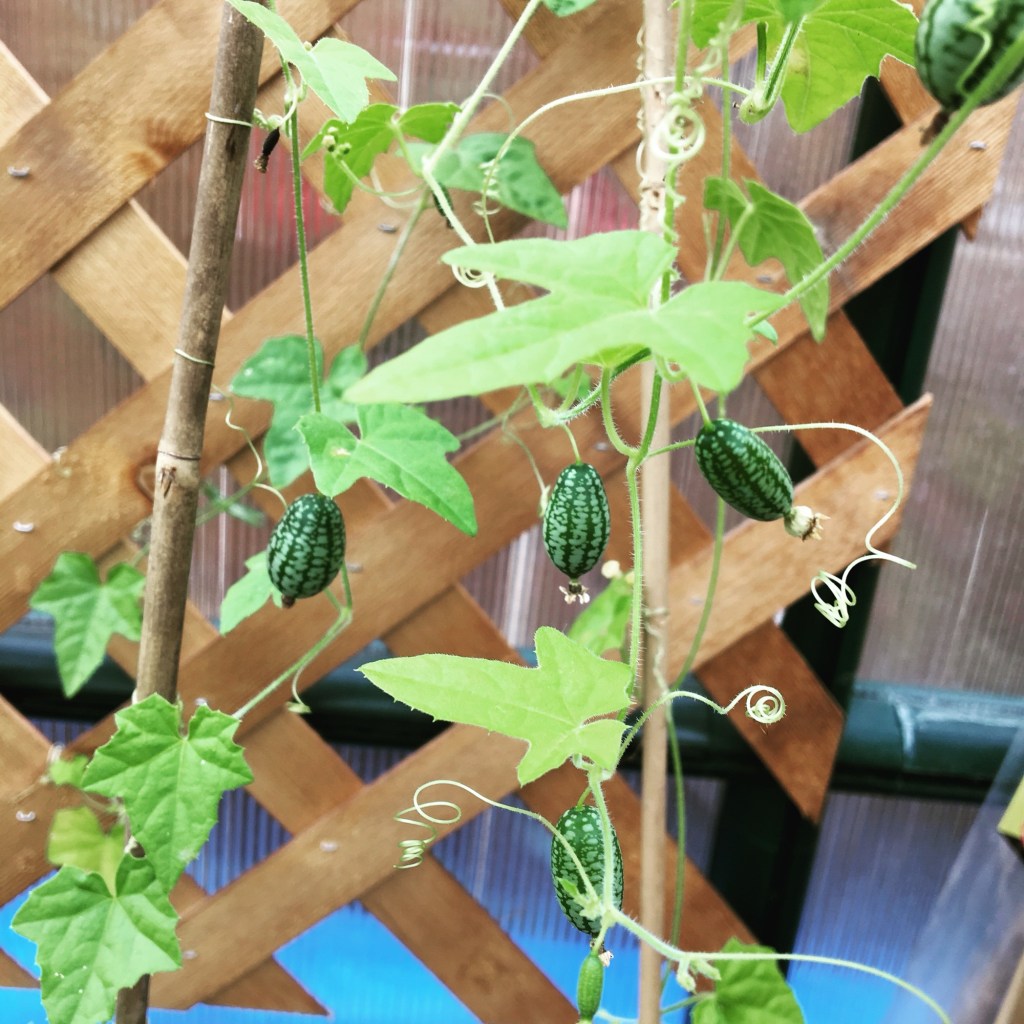
Cucamelon (Melothria scabra)
This one’s a bit unexpected, I know! But on cooler mornings, when I’d swing open the greenhouse doors, I’d always have a little bee companion darting straight to the delicate flowers of this quirky vine.
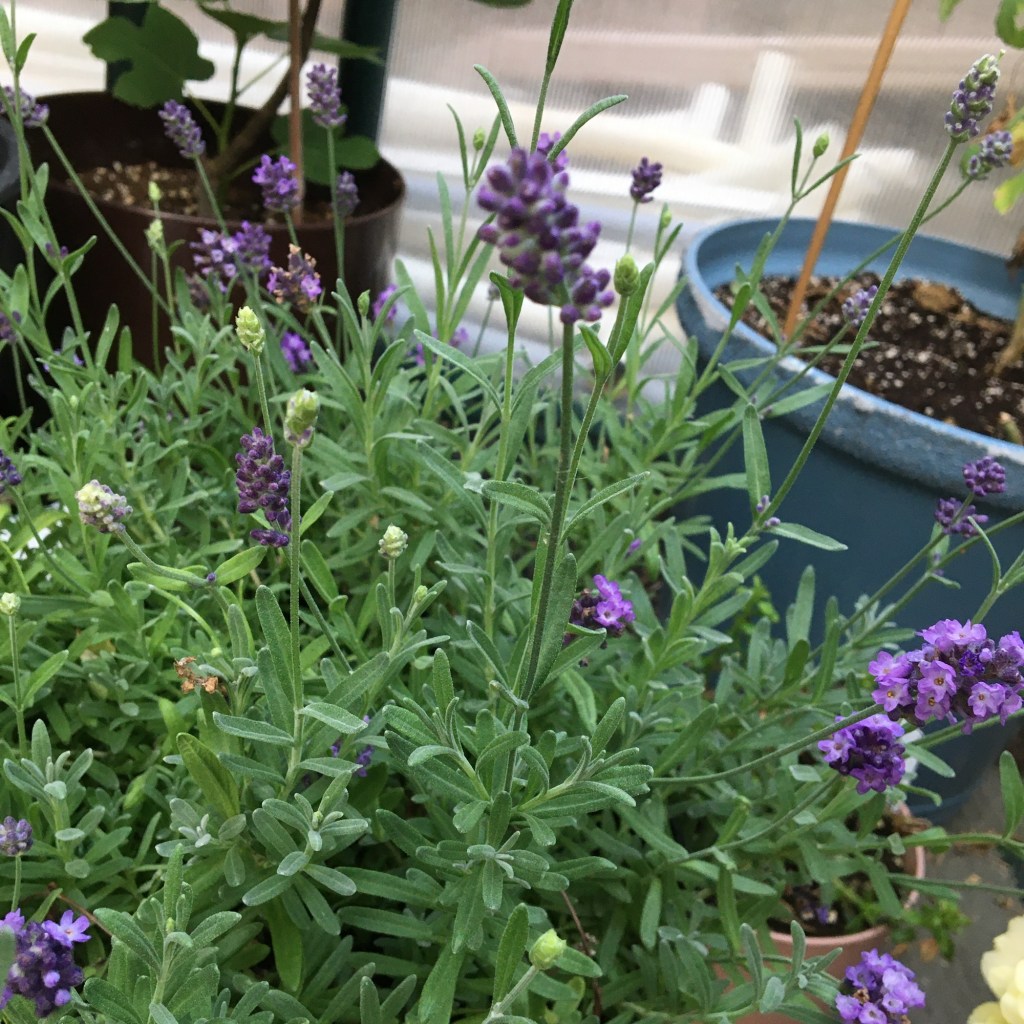
Lavender (Lavandula angustifolia)
No surprises here—lavender is beloved by bees, butterflies, and hoverflies alike. It’s also a lovely, low-maintenance plant with soothing fragrance and tidy looks. What’s not to love?
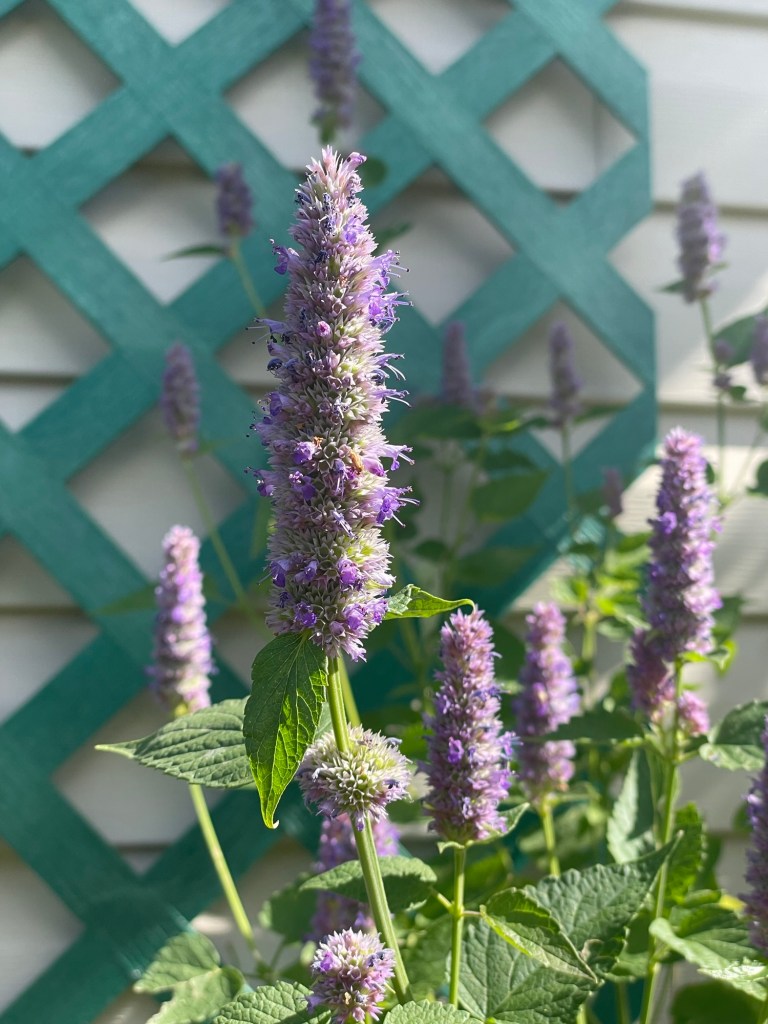
Hyssop (Agastache foeniculum)
This purple-flowered perennial smells like a cross between licorice and mint, and it’s constantly in motion with visitors—from honeybees to moths to butterflies. It blooms late into the season and looks beautiful doing it.
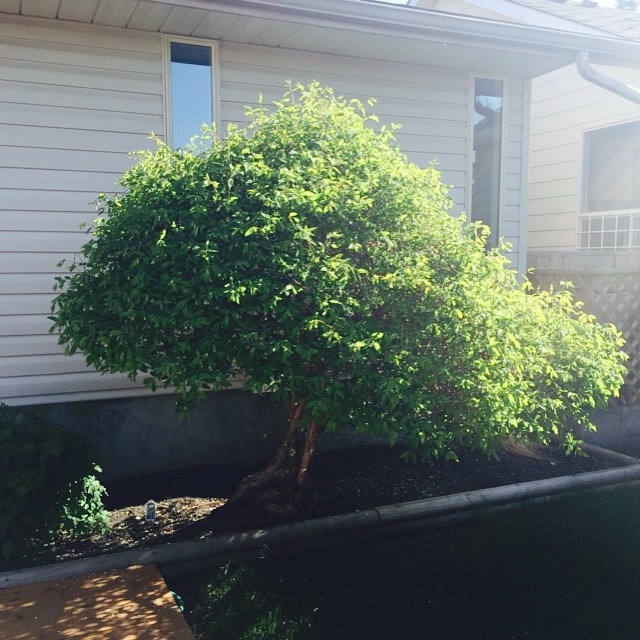
And lastly… my mystery shrub.
I call it my “fairy tree.” It’s one of the first things to leaf out in spring, and it erupts with tiny white flowers that absolutely vibrate with bumblebees. You can hear it before you see it. Later in the season, it produces small purple berries that I’ve never dared taste. I haven’t been able to properly identify it—so if anyone recognizes this description, I’d love to know what it is!
Pro Tips for a Pollinator-Friendly Garden:
Avoid pesticides: Even organic options can be harmful to pollinators—especially when applied during bloom time.
Aim for a season-long buffet: Include a variety of plants that bloom from early spring to late fall. Bees are active longer than you think!
Let things go a little wild: Dandelions, clover, and nettles are important early and late-season food sources for many species.
Plant in clumps: Pollinators prefer mass plantings over single, scattered blooms—it’s more efficient for them.
Provide water: A shallow dish with pebbles gives bees a safe place to land and drink.
Include native plants: These are better adapted to your local pollinators—and often hardier in tough Zone 3 conditions.
So what are your bees buzzing about? Share your pollinators’ favourites in the comments below. I’d love to hear it!
 Andrea’s Path to Plants
Leave a comment