Honestly, who would’ve thunk it?
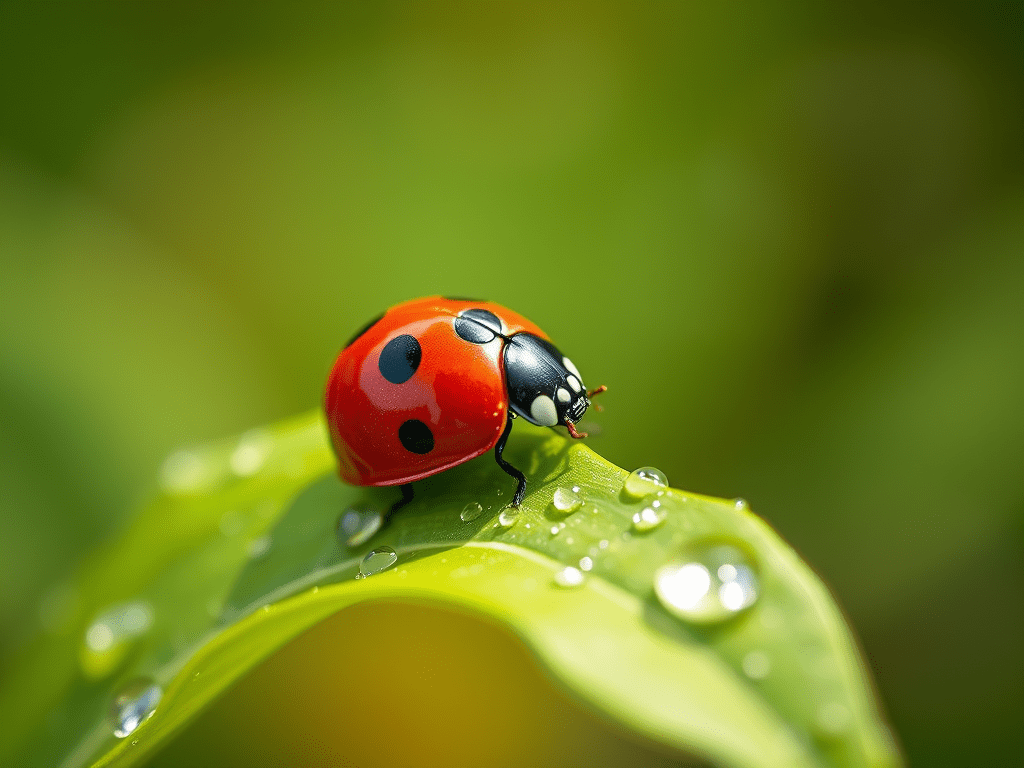
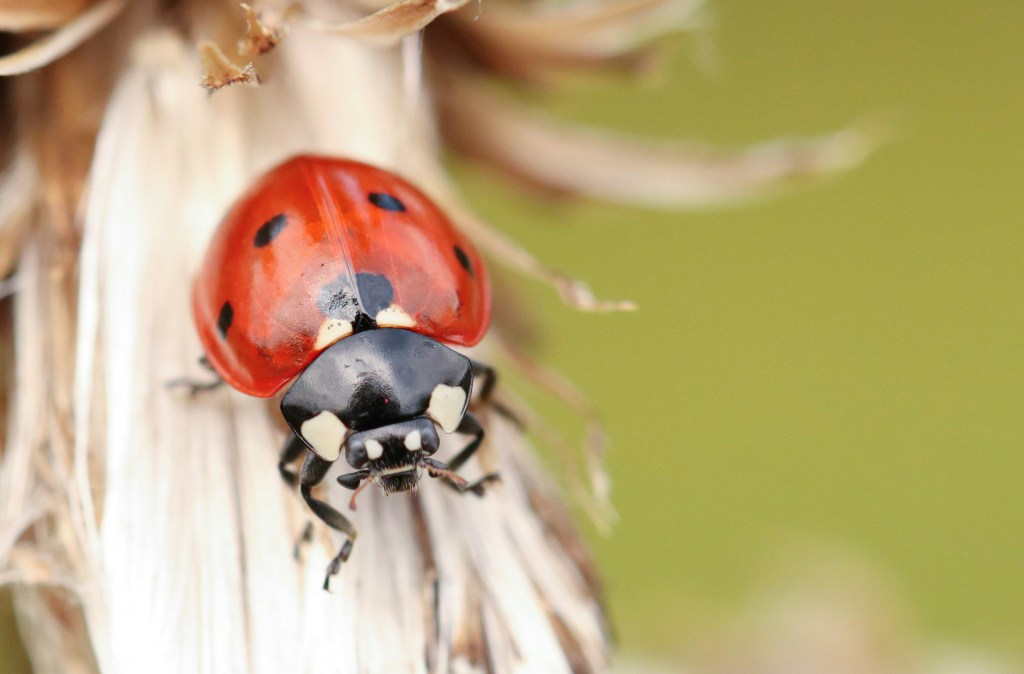
This past week my social media gardening groups were all abuzz with talk of a LADYBUG INVASION. Oh the horror! As I began winding up my garden, I have to admit I rescued more than a dozen of the bright little beetles from my compost pile and relocated them. And there were a lot of them, but I didn’t think it unusual for this time of year—they normally start looking for places to hibernate around now.
It was also a hot, dry summer (thanks broken YYC water main) which stressed our plants and allowed for an uptick in aphids. Which led to some happy ladybugs. A classic predator-prey relationship population example. Or so we would think. However, a local entomologist raised the alarm that too many ladybugs in our area are introduced from Europe and are causing a disruption in our natural biodiversity. Eeeps! How were we supposed to know? Like bees, we have been taught that ladybugs are our friends, our organic pest control, our chemical alternative! The article insinuated that many of the introduced ladybugs are from garden centres, where well-intentioned gardeners are buying for their yards and greenhouses. So this is where we, as the informed green-thumbed amateur experts that we are, must take care and check the packaging. Buy local! (New YYC tee-shirt idea, you’re welcome).
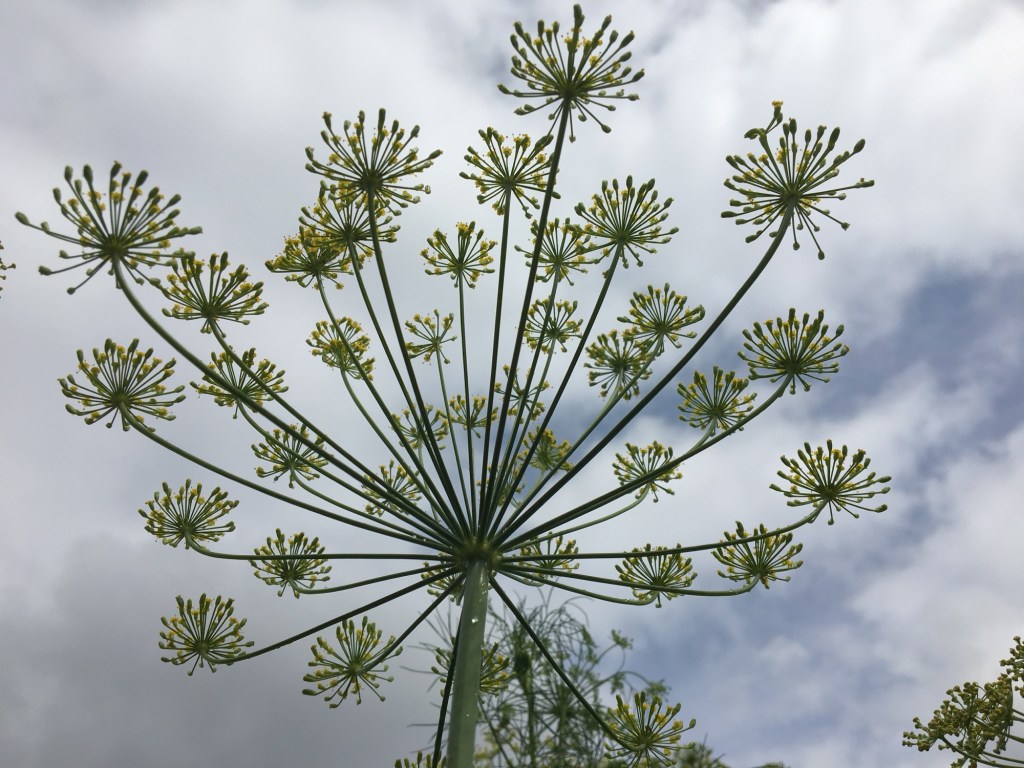
There are other ways to manage aphids and other pests in our gardens that don’t involve chemicals or ladybugs. I personally like to plant nasturtiums along the borders of my garden beds to act as ‘trap plants’. Aphids, leaf miners and flea beetles seem to like them better than my beets and rutabagas. I’m also not the biggest fan of dill or fennel, so I don’t feel badly if the aphids choose to suck on that in my garden. (Suck it, aphids!)
I also watch the other insect activity in my garden. Are the wasps flying around a particular plant more often? They are an early indicator you may have cabbage moth larvae in your brassicas (brussel sprouts, cauliflower, and of course, cabbages). Do you follow a busy ant trail and find them farming aphids on your rhubarb? These clues can lead you with the garden hose pretty quickly, and when needed, some shears or some organic-friendly pesticides like an insecticidal soap (always read label etc etc).
There’s another method that comes with personal warning. If you make a homemade garlic spray, make sure you are upwind during application. And check the weather forecast.

And just a little end note, here. A healthy balance of insects (like native plants) are good for your garden. They encourage other wildlife to share your space! Birds, pollinators, bugs, even skunks are indicators of a healthy ecosystem. Don’t freak out and reach for the spray bottle the instant you see a pest. Monitor it over a little while, see what happens. You may be surprised.
 Andrea’s Path to Plants
Leave a comment